How Stump Grinding Protects Lawn Health and Yard Aesthetics in the Poconos
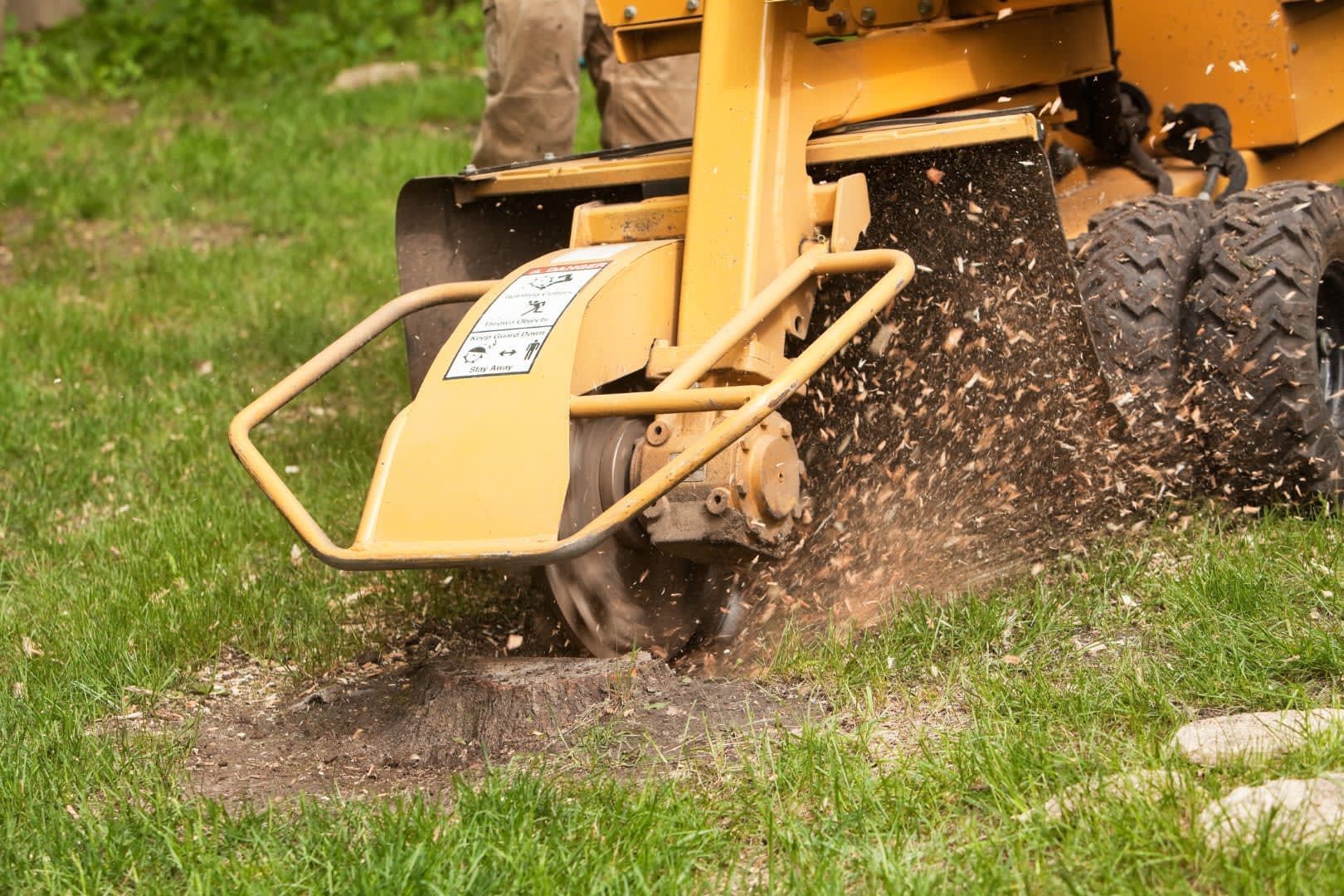
Table of Contents
- Introduction
- Why a Leftover Stump Is More Than a Cosmetic Problem
- What Happens to the Soil When a Stump Is Left to Decay
- How Grinding Changes the Look and Usability of a Yard
- Stump Grinding vs. Stump Removal: Which Makes More Sense?
- When Is the Best Time to Grind a Stump in the Poconos?
- What a Professional Checks Before Grinding
- How Deep Does a Stump Need to Be Ground?
- Common Mistakes Homeowners Make With Old Stumps
- Preparing the Area After Grinding
- Conclusion
- Need a Stump Handled Before It Causes More Problems?
- Frequently Asked Questions
Key Takeaways
- Grinding removes a stump below grade but leaves the roots in place to decay naturally, which is faster, cheaper, and less disruptive to the yard than digging the whole root system out.
- A decaying stump pulls nitrogen out of the surrounding soil as fungi and bacteria break down the wood, which is why grass around old stumps often looks pale or thin.
- Old stumps are a common entry point for wood-decaying fungi, carpenter ants, and termites, which can move from the dead wood into nearby healthy trees, fences, or structures.
- In the Poconos, grinding is easiest to schedule when the ground isn't frozen or waterlogged, so right after a tree removal, before spring planting, or shortly after a storm are the most practical windows.
- Fresh wood chips left over from grinding will tie up nitrogen if worked directly into the soil, so removing or composting them before planting protects new grass and landscaping.
- Rental stump grinders can hit unmarked utility lines or leave roots too shallow to prevent equipment damage later, which is why larger or oddly placed stumps are usually better handled by a professional crew.
Introduction
Grinding a stump down below the surface stops the decay, pests, and root competition it would otherwise cause, while also freeing up the space for grass, planting beds, or hardscaping. In the Poconos, where properties often back up to wooded lots and yards are shaded by mature oaks, maples, and pines, a leftover stump from a removed or storm-damaged tree is a common sight, and an easy thing to put off dealing with. That delay usually costs more than it saves, since the stump keeps affecting the soil, grass, and safety of the yard around it the entire time it sits there. For homeowners weighing whether to tackle an old stump now or later, a closer look at what stump grinding actually does to a yard makes the case clear.
Why a Leftover Stump Is More Than a Cosmetic Problem
A stump left in the ground doesn't just sit there quietly, it actively changes the conditions for everything growing near it. As the wood breaks down, it becomes attractive to organisms that most homeowners would rather keep away from the rest of the yard:
- Wood-decaying fungi colonize the dead stump first and can spread through root contact to nearby trees that are still alive and healthy.
- Wood-boring insects, including carpenter ants and certain beetles, use old stumps as a base before moving into fences, sheds, or even a home's exterior wood.
- Root competition doesn't stop when a tree is cut down. The remaining root system can continue drawing water and nutrients away from turf and nearby plantings until it fully decays, which can take years on its own.
None of this is usually dramatic or fast, it's a slow drain on the health of the surrounding lawn that's easy to miss until the grass around the stump looks noticeably worse than the rest of the yard.
What Happens to the Soil When a Stump Is Left to Decay
Wood is high in carbon relative to nitrogen. When fungi and bacteria break it down, they pull nitrogen from the surrounding soil to fuel that decomposition process, which is the same reason fresh wood chips or sawdust worked into a garden bed can stunt plant growth nearby. A decomposing stump does the same thing on a smaller, slower scale, competing with grass roots for a nutrient they both need.
A stump can also disrupt drainage. Depending on its size and root spread, it may block water from moving through the soil the way it should, leaving soggy patches after rain or, in some cases, dry pockets where water can't reach at all. Grinding the stump and working the area properly afterward gives the soil a chance to level back out and recover its normal drainage pattern.
How Grinding Changes the Look and Usability of a Yard
Beyond the effect on soil and grass, a stump is one of the more obvious things pulling a yard's appearance down. It breaks up the sightline of an otherwise clean lawn, and it limits what a homeowner can actually do with that section of the property.
Once a stump is ground down and the area is leveled:
- Mowing becomes easier and safer, without needing to navigate around an obstacle every pass.
- The ground is usable again for a flower bed, patio, shed, or simply more open lawn.
- The yard reads as more finished and intentional, rather than having an obvious leftover from a tree that's no longer there.
Stump Grinding vs. Stump Removal: Which Makes More Sense?
These two services solve the same basic problem in different ways, and homeowners often assume they're interchangeable. They aren't.
Stump grinding shreds the visible stump and upper root flare below the surface using a specialized grinding wheel. The bulk of the root system stays in the ground and decays naturally over time. This is faster, leaves less disturbance to the surrounding lawn, and is generally more affordable.
Stump removal pulls the entire stump and root ball out of the ground, which typically requires heavier equipment, leaves a larger hole that needs to be backfilled, and takes more time to complete and clean up.
For most residential situations, clearing a stump for lawn health, mowing convenience, or general aesthetics, grinding accomplishes what's needed without the extra disruption. Full removal tends to make more sense in narrower cases, such as when a new structure, driveway, or in-ground feature is planned for that exact spot and the roots need to be completely out of the way.
When Is the Best Time to Grind a Stump in the Poconos?
Timing isn't just a matter of convenience, ground conditions in the Poconos change enough through the year that they genuinely affect how straightforward a grinding job is. Frozen or heavily saturated ground, common through winter and during spring thaw, makes it harder for equipment to get clean access and can leave the site more torn up than it needs to be. A few windows tend to work better:
- Right after tree removal, while the crew and equipment are already on site, which avoids a second visit and lets the yard start recovering in one pass.
- Before spring planting, the soil has time to settle and any leftover wood debris can be cleared before new grass or landscaping goes in.
- After storm damage, a broken or uprooted tree often leaves a stump or partial root ball that can attract pests or become a hazard if it's left through another season.
Waiting until the ground is fully frozen or saturated from heavy rain isn't a hard stop, but it does make the job harder and messier than it needs to be, scheduling around those conditions when possible tends to give a cleaner result.
What a Professional Checks Before Grinding
A stump might look like a simple, self-contained job, but there's more to check before the grinder starts than most homeowners expect. Before any grinding begins, a professional typically looks at:
- What's underground nearby. Irrigation lines, septic components, and buried utilities all need to be located and avoided.
- The stump's root flare and size, which determines how wide and deep the grinding needs to go.
- Surrounding hardscape and plantings, since flying debris and vibration from the grinder can affect anything close by.
- What the space will be used for afterward, since a stump being cleared for a flower bed doesn't need the same depth as one being cleared for a load-bearing patio base.
The equipment used matters too, the size and type of grinder affects how clean and thorough the job is, and how much cleanup is left behind afterward. For homeowners curious about what that equipment actually looks like and how it's used on site, this breakdown of professional stump grinding equipment covers it in more detail.
How Deep Does a Stump Need to Be Ground?
There's no single depth that applies to every stump, it depends on what the space is going to be used for afterward. A stump being cleared just to make mowing easier doesn't need to go nearly as deep as one being cleared to make way for a new lawn, garden bed, or paved surface. Roots close to the surface can also resprout or interfere with regrading if they're not ground down far enough, which is a common source of homeowner frustration after a rushed or incomplete job.
Homeowners planning to plant, regrade, or build anything in that spot should factor in how deep the grinding needs to go before scheduling the work rather than after. A closer look at how deep stump grinding typically goes explains what affects that depth and what to expect once the grinding is finished.
Common Mistakes Homeowners Make With Old Stumps
A few patterns show up repeatedly when homeowners try to deal with a stump on their own or put it off too long:
- Relying on chemical stump killers and expecting fast results. These products can speed up decay somewhat, but they don't remove the stump, don't solve the tripping hazard, and don't stop root competition, they just accelerate a process that was already going to happen slowly on its own.
- Renting a grinder without checking for underground utilities first. A rented grinder doesn't come with a utility location, and hitting a buried line is a real risk for anyone using one without that step.
- Grinding too shallow. A quick, shallow pass might clear the visible stump but leave enough root mass behind to interfere with mowing, regrowth, or future landscaping.
- Ignoring a stump after storm damage instead of treating it as part of the cleanup, which leaves it as an ongoing entry point for pests and decay through another season.
Larger stumps, stumps near structures or utility lines, or situations involving a recently fallen or storm-damaged tree are generally not good DIY candidates. For a broader look at which tree-related tasks are reasonable to handle personally and which ones call for a professional, this guide to when a tree service makes more sense than DIY is a useful starting point.
Preparing the Area After Grinding
Grinding leaves behind a pile of wood chips and ground debris, and what happens to that material matters for what comes next. Because fresh wood chips tie up nitrogen as they break down, working them directly into the soil right before planting grass or flowers can slow that new growth down rather than help it. Removing the chips, letting them compost separately, or using them as mulch elsewhere in the yard avoids that problem.
Once the debris is cleared, the area typically needs some topsoil and light regrading before it's ready for seed, sod, or a new planting bed. Giving the soil a short period to settle, rather than planting immediately, tends to produce better results than rushing straight from grinding to planting in the same visit.
Conclusion
A stump left in the ground keeps costing a yard something the entire time it's there, nitrogen pulled from the soil, an entry point for pests and decay, a mowing obstacle, and an unfinished look that's hard to miss. Grinding it down addresses all of that at once, without the extra disruption of digging the full root system out. The main decisions that matter are timing it around workable ground conditions, grinding to a depth that matches what's planned for the space afterward, and handling the wood debris correctly so new grass or plants actually thrive once they go in. Getting those details right the first time saves a second trip back to fix a job that was rushed or done too shallow.
Need a Stump Handled Before It Causes More Problems?
If an old stump is holding back your lawn, taking up usable yard space, or attracting pests you'd rather not deal with, a professional assessment can confirm the right depth and approach for your specific property.
Reach out to talk through the condition of your yard and get a straightforward plan for clearing it.
Frequently Asked Questions
How long does grinding a single stump take?
Most single-stump jobs take a few hours from setup to cleanup, though size, root spread, and how easily equipment can access the area all affect the timeline. Larger stumps or multiple stumps on one property will take longer.
Will the roots grow back after a stump is ground down?
For most species, no, grinding destroys the root crown, which is what drives new growth. Some species that spread by root suckers can occasionally send up shoots from remaining roots nearby, which may need a follow-up trim if it happens.
Can grass be planted over the area right away?
Not immediately. The wood chips left behind should be removed or composted first, since they draw nitrogen from the soil as they break down. Giving the area some topsoil and a short settling period before seeding or sodding produces better results.
Is it safe to grind a stump near underground utilities?
It can be, but only after those lines are located first. Anyone grinding a stump, whether DIY or professional, should have utility lines marked before any equipment goes into the ground.
Is stump grinding or full stump removal better for a residential yard?
Grinding is the better fit for most residential situations, it's faster, less disruptive to the surrounding lawn, and more affordable. Full removal is usually only necessary when something is being built directly on top of that spot and the roots need to be completely cleared out.
Related Posts