How Deep Does Stump Grinding Go?
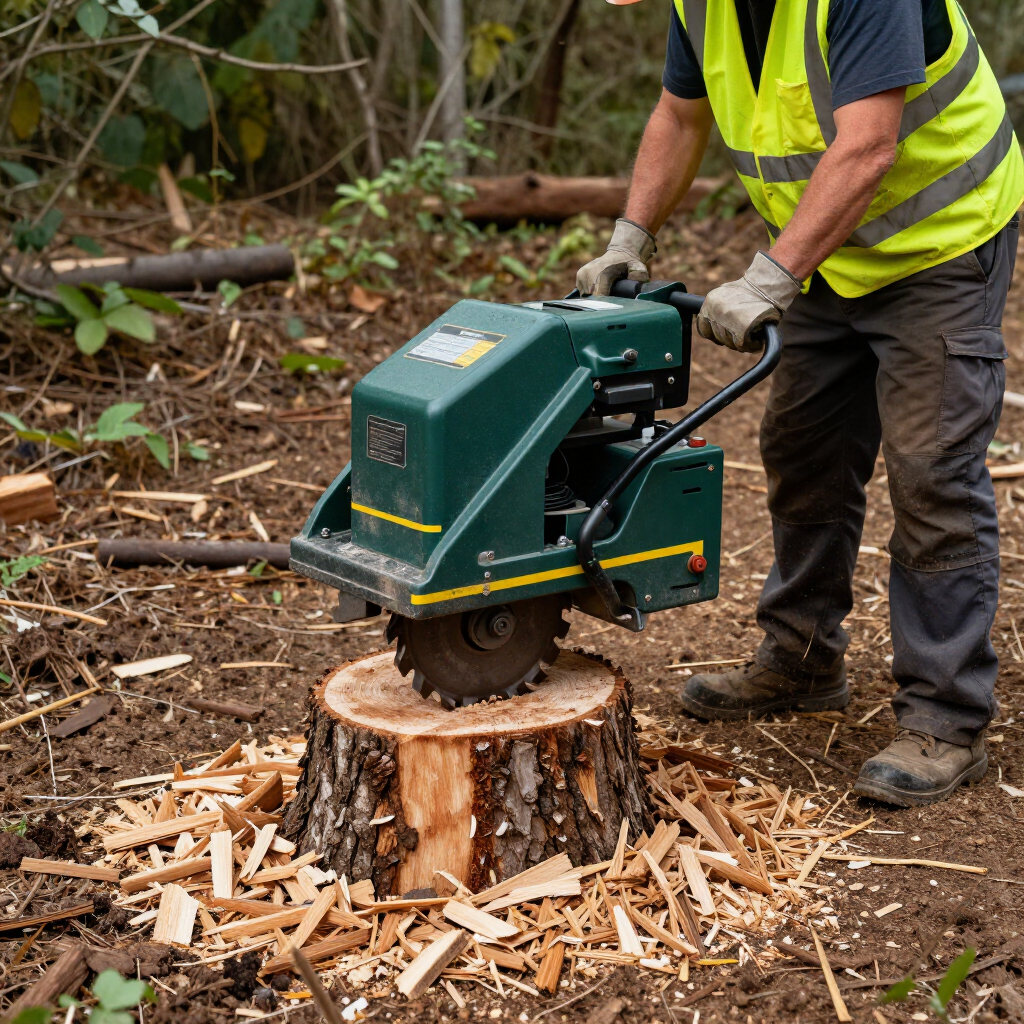
Table of Contents
- Introduction
- Understanding Stump Grinding Depth
- Typical Stump Grinding Depth Range
- Factors That Influence Grinding Depth
- Stump Size and Tree Species
- Soil Conditions in Stroudsburg, PA
- Equipment Used in Professional Stump Grinding
- What Happens Below Ground After Grinding
- Stump Grinding vs Full Stump Removal
- How Professionals Determine Grinding Depth
- Considerations for Landscaping After Grinding
- Conclusion
- Frequently Asked Questions
- Book a Stump Grinding Service
Key Takeaways
- Stump grinding typically removes the stump to just below ground level rather than eliminating the entire root system
- Standard stump grinding depth usually ranges from 4 to 12 inches below the soil surface
- Soil conditions, stump size, and equipment type all influence grinding depth
- Roots remain underground and naturally decay over time after grinding
- Professional stump grinding depth is chosen based on future land use and safety considerations
Introduction
Stump grinding typically goes between 4 to 12 inches below ground level, depending on the stump size, soil conditions, and the equipment used. This depth is usually enough to remove the visible stump and allow the area to be safely used for landscaping or turf growth.
Understanding stump grinding depth is important for homeowners in Stroudsburg, PA because it helps set realistic expectations for yard restoration, future planting, and long-term soil stability. Knowing what happens below the surface can also help prevent issues like uneven ground or regrowth concerns.
Understanding Stump Grinding Depth
Stump grinding is a process that uses a rotating cutting wheel to chip away the wood of a tree stump. Instead of pulling the entire root system out of the ground, the machine grinds the stump into small wood chips.
The depth of stump grinding refers to how far below the soil surface the grinder removes the stump material. The goal is to eliminate the visible portion and reduce the structural base of the stump so the area can be reused safely.
In most cases, the remaining roots are left underground and will naturally decompose over time.
Typical Stump Grinding Depth Range
The standard stump grinding depth varies depending on the situation, but most jobs fall within a predictable range.
Common Depth Levels
- Light grinding: 4 to 6 inches below ground
- Standard grinding: 6 to 10 inches below ground
- Deeper grinding: up to 12 inches or more when needed
For most residential properties in Stroudsburg, PA, standard stump grinding is enough to allow grass growth or light landscaping.
Deeper grinding may be requested when homeowners plan to install hardscaping such as patios, driveways, or retaining structures.
Factors That Influence Grinding Depth
Several site conditions determine how deep stump grinding can or should go.
Stump Size and Tree Species
Larger stumps require more time and power to grind. Hardwoods such as oak or maple may have denser root structures compared to softer woods. This can influence how deep the grinding process needs to go to fully clear the usable surface area.
Older trees may also have wider root systems, which can affect how much underground material remains after grinding.
Soil Conditions in Stroudsburg, PA
Soil conditions in Stroudsburg, PA can vary between compact clay, rocky ground, and looser soil types. These conditions impact stump grinding depth in several ways:
- Rocky soil may limit how deep equipment can safely grind
- Clay-heavy soil may require slower, more controlled grinding
- Loose soil allows for easier and sometimes deeper grinding
Seasonal changes, including frozen ground in colder months, can also affect accessibility and depth control.
Equipment Used in Professional Stump Grinding
The type of machine used plays a major role in stump grinding depth.
Smaller grinders are typically used for tight residential spaces and may have limited depth capability. Larger, commercial-grade machines used in professional stump grinding can reach deeper levels and handle tougher root systems.
Operators adjust the grinding depth based on:
- Safety of underground utilities
- Surrounding landscape features
- Desired post-grinding use of the area
What Happens Below Ground After Grinding
After stump grinding, the visible stump is removed, but the underground root system remains in place.
Over time, the remaining roots break down naturally through decomposition. This process can take several years depending on soil conditions and tree type.
The ground area is typically filled with a mixture of wood chips and soil. Homeowners may choose to:
- Level the surface for grass growth
- Add topsoil for landscaping
- Leave the wood chips to decompose naturally
In most cases, the area becomes usable again once properly leveled and maintained.
Stump Grinding vs Full Stump Removal
Stump grinding is often confused with full stump removal, but the two methods are different.
Stump Grinding
- Removes visible stump and part of the root flare
- Leaves deeper roots underground
- Less invasive to surrounding soil
- Faster and more commonly used in residential areas
Full Stump Removal
- Involves extracting the entire stump and root system
- Requires heavy excavation equipment
- Leaves a larger hole that must be filled
- More disruptive to surrounding landscape
For most residential properties in Stroudsburg, stump grinding is chosen because it balances efficiency with minimal ground disturbance.
How Professionals Determine Grinding Depth
Professionals assess several factors before deciding how deep to grind a stump.
These include:
- Intended future use of the land
- Proximity to structures, sidewalks, or driveways
- Root spread and stump diameter
- Soil composition and stability
- Safety considerations around utilities
A careful evaluation ensures the grinding process is appropriate for the site and reduces the risk of future ground issues.
Considerations for Landscaping After Grinding
Once stump grinding is complete, homeowners often plan new landscaping in the same area.
Important considerations include:
- Allowing soil to settle before planting
- Adding nutrient-rich topsoil if needed
- Avoiding heavy construction immediately over fresh grind areas
- Monitoring for minor settling as organic material decomposes
If grass is being planted, light leveling and soil preparation usually provide the best results over time.
Conclusion
Stump grinding depth generally ranges from 4 to 12 inches below ground level, depending on stump size, soil conditions, and equipment used. While the visible stump is removed, underground roots remain and gradually decompose over time.
For homeowners in Stroudsburg, PA, understanding stump grinding depth helps set realistic expectations for yard restoration and future landscaping plans. The process is designed to balance effectiveness with minimal disruption to surrounding soil and property features.
Book a Tree Take Down and Removal Service
If you are evaluating stump grinding depth for your property in Stroudsburg, PA, professional guidance can help you understand what is appropriate for your specific landscape conditions.
Mcintyre’s Tree Service provides informational support and stump grinding services designed to help homeowners make informed decisions based on site conditions, safety considerations, and future land use. For more information, you may contact us at 610-762-0660 or mcintyrestreeservice@gmail.com to discuss your specific concerns and determine the most appropriate next steps.
Frequently Asked Questions
How deep does stump grinding usually go in residential yards?
In most residential cases, stump grinding goes about 4 to 10 inches below ground to remove the visible stump and allow safe landscaping.
Can stump grinding depth be increased if we plan to replant?
Yes, stump grinding depth can sometimes be increased for replanting, depending on soil conditions and equipment access.
Does stump grinding depth affect future root regrowth?
Grinding reduces regrowth chances at the surface, but deeper roots may still decompose naturally over time.
Why does stump grinding depth vary between properties?
Depth varies due to soil type, stump size, tree species, and the intended future use of the land.
Is deeper stump grinding always better for landscaping?
Not always. Depth is chosen based on site needs, and excessive grinding may not be necessary for simple lawn restoration.
Related Posts