Does Homeowners Insurance Cover Emergency Tree Removal After a Storm in Pennsylvania?
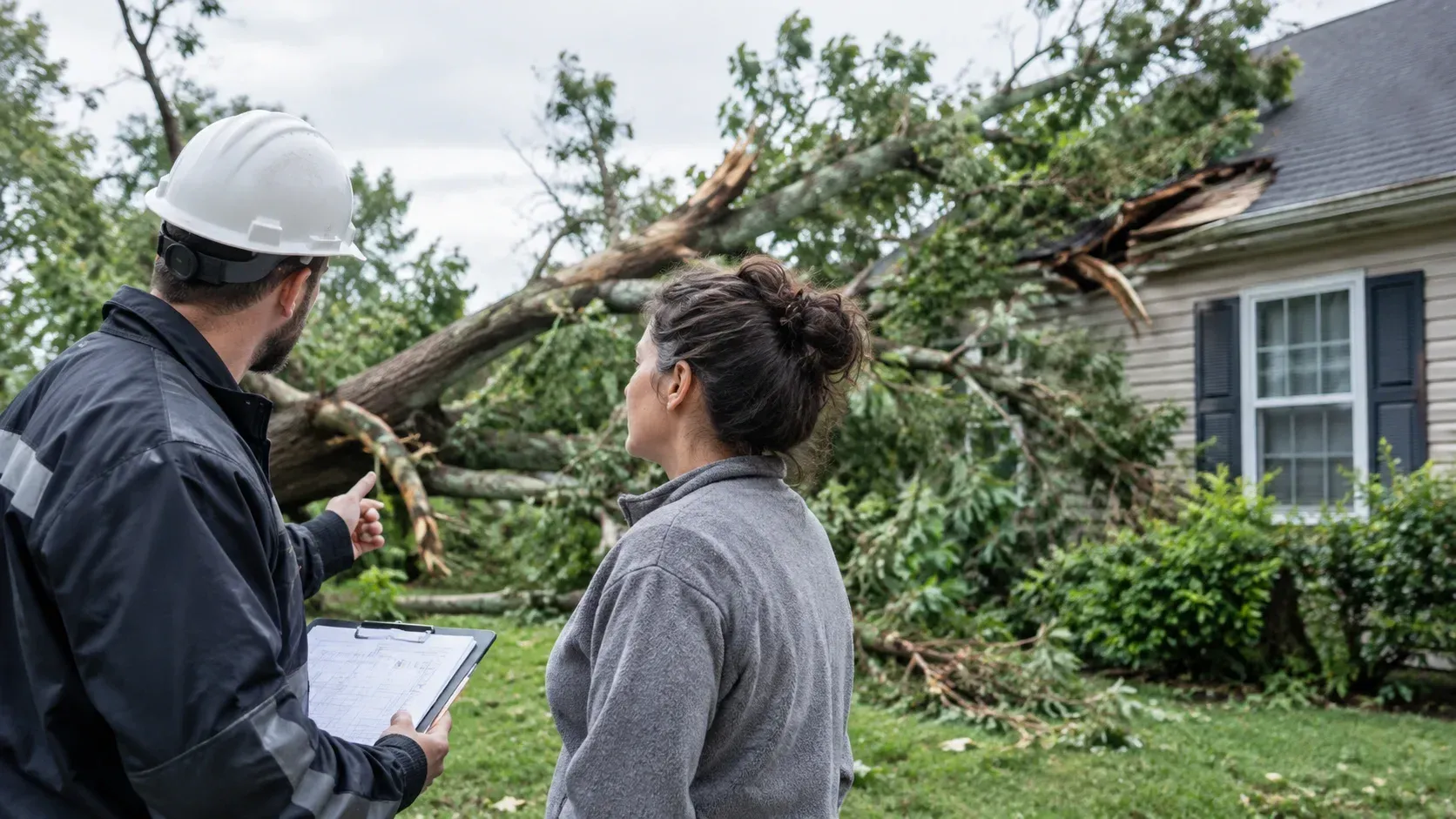
Table of Contents
- Does Homeowners Insurance Cover Emergency Tree Removal?
- Why Coverage Depends on What the Tree Damaged
- What Usually Triggers Coverage After a Storm
- What Insurance Typically Does Not Cover
- A Framework for Thinking Through Your Situation
- What the Claims Process Usually Involves
- Common Misconceptions About Tree Removal Coverage
- A Realistic Scenario After a Pocono Storm
- What Typical Online Advice Overlooks
- Limitations and Why Policies Vary
- Conclusion
Key Takeaways
- Homeowners insurance often covers emergency tree removal after a storm, but usually only when the tree damages a covered structure like your house, garage, or fence.
- A tree that falls in the yard without hitting anything insured is typically the homeowner's responsibility to remove, even after a major storm.
- Coverage generally depends on the cause of the fall, such as wind or lightning, rather than the tree's age or condition.
- Deductibles, coverage limits, and per-tree removal caps vary by policy, so the only reliable answer comes from your own insurer or agent.
- Getting quotes and documentation from a professional tree service is part of building a strong claim, even when coverage is uncertain.
Introduction
Homeowners insurance often covers emergency tree removal after a storm, but usually only when the fallen tree damages a covered structure, such as your house, garage, fence, or a parked car. If a tree comes down in the open yard without hitting anything insured, most standard policies treat removal as the homeowner's expense, even when the storm was severe. For residents of Stroudsburg, PA, where ice storms and summer thunderstorms regularly bring down large limbs and whole trees, understanding this distinction before a storm hits, and knowing when to call an emergency tree removal crew, can save confusion during an already stressful moment.
This matters because the difference between "covered" and "not covered" often comes down to a few feet of distance. A tree that lands two feet from your garage and one that lands on it can produce two very different insurance outcomes. This guide explains how coverage typically works, what usually triggers it, and what tends to fall outside a standard policy, so you can approach a claim with realistic expectations rather than guesswork.
Does Homeowners Insurance Cover Emergency Tree Removal?
Direct answer: Often, yes, but typically only if the tree damaged a covered structure or blocked access to your home. A tree that falls without hitting anything insured usually is not covered, even under comprehensive policies.
Most standard homeowners policies are built around named perils, meaning they cover damage caused by specific events like windstorms, lightning, and hail. Tree removal coverage generally rides along with that structure, which means the tree has to cause covered damage before removal becomes a covered cost.
Why This Trips People Up
The confusion usually comes from assuming that "storm damage" automatically means "insurance pays." In practice, insurers are typically covering the damage the tree caused, with removal bundled in as a consequence, not covering the tree itself as a standalone problem.
Why Coverage Depends on What the Tree Damaged
Direct answer: Coverage depends heavily on whether the tree hit a covered structure, since most policies tie tree removal benefits to damage on your dwelling, detached structures, or other insured property rather than the tree's location alone.
Trees That Fall on a Home or Garage
When a tree falls on your house, attached deck, or garage, this typically falls under dwelling coverage. The policy usually pays for repairing the structure and removing the tree debris connected to that damage, up to the policy's limits.
Trees That Fall on a Fence or Detached Structure
Fences, sheds, and detached garages usually fall under "other structures" coverage, a separate part of most policies with its own, often lower, limit. A tree on a fence can be covered, but the payout ceiling is typically smaller than for the main house.
Trees That Fall in the Open Yard
A tree that falls in the yard, driveway, or garden without touching an insured structure is the scenario most often left uncovered. Many policies do have a narrow exception if the tree blocks your driveway and prevents entry or exit, which some insurers treat as a limited, separate benefit.
What Usually Triggers Coverage After a Storm
Certain conditions make coverage more likely. Knowing them helps you understand where your situation probably falls before you call your insurer.
Wind, lightning, or hail as the cause. Most policies cover tree damage caused by named perils like windstorms and lightning. A tree that falls because of high wind during a documented storm fits the pattern insurers expect.
Damage to an insured structure. As covered above, the tree generally needs to hit something the policy insures, not just land somewhere on the property.
A blocked driveway or entrance. Some policies include a specific, capped benefit for removing a tree that blocks access to your home, even without structural damage, though this is not universal.
Trees Near Power Lines Add Complexity
A storm damaged tree tangled with power lines introduces another layer entirely. This situation is not just an insurance question, it is a safety one. Atree near power lines should never be approached by a homeowner, and the utility company often has its own role in resolving the hazard before any removal work can safely begin.
What Insurance Typically Does Not Cover
Direct answer: Insurance typically does not cover tree removal when the tree falls without damaging a covered structure, when the cause is excluded like flooding, or when the tree was already dead or neglected before the storm.
Uninsured Perils
Damage caused by excluded perils, commonly flooding or earth movement depending on your policy, generally is not covered even if a tree was involved. Flood damage in particular usually requires a separate flood insurance policy.
Pre-Existing Neglect
If an insurer determines a tree was already dead, diseased, or known to be hazardous before the storm, some policies may deny the claim on the basis of lack of maintenance. This is one reason routinetree trimming and pruning is not just a cosmetic choice. It can also support your position if a claim is ever questioned.
Cosmetic or Minor Damage
Minor limb breakage with no structural impact typically falls below what most policies are designed to address, and many homeowners handle this kind of cleanup out of pocket rather than filing a claim at all.
A Framework for Thinking Through Your Situation
| Factor | Points Toward Coverage | Points Away From Coverage |
|---|---|---|
| What the tree hit | House, garage, fence, car | Open yard, garden, lawn |
| Cause of the fall | Wind, lightning, storm event | Flooding, neglect, old decay |
| Tree's prior condition | Appeared healthy before the storm | Known dead or hazardous beforehand |
| Access impact | Blocks the only driveway or entrance | No impact on access |
Before calling your insurer, it helps to roughly place your situation using the same
factors adjusters tend to weigh.How to Use This Table
This framework will not give you a guaranteed answer, since policy language differs. It gives you a realistic sense of whether a claim is worth filing and what questions to ask your insurer directly.
What the Claims Process Usually Involves
Direct answer: A typical claim involves documenting the damage, contacting your insurer promptly, getting a removal estimate, and keeping records of everything before cleanup begins.
Documentation Comes First
Photograph the tree, the damage, and the surrounding area before anything is moved or cleared, when it is safe to do so. Adjusters rely heavily on this evidence, and it is much harder to reconstruct after debris is gone.
Getting a Professional Estimate
A written estimate from a tree service documents the scope and cost of removal, which supports your claim and gives the adjuster a clear basis for evaluation. This is also where urgency matters. If the tree is actively threatening further damage, prompt action from alocal tree crew can prevent the situation from worsening while the claim is processed.
Timing and Communication
Most policies require prompt notice of a loss. Delaying the call to your insurer, even while you are focused on safety and immediate cleanup, can complicate the claim later, so contacting them early is worth prioritizing alongside emergency safety steps.
Common Misconceptions About Tree Removal Coverage
Belief: If a storm caused it, insurance will pay for it. Reality: Coverage usually depends on what the tree damaged, not just that a storm occurred. Why it matters: Homeowners sometimes assume coverage and are surprised when a yard tree removal is denied.
Belief: A bigger, older tree means a bigger insurance problem either way. Reality: Size and age matter less than whether the tree hit something insured and whether it was previously healthy. Why it matters: Focusing on the tree instead of the damage leads to the wrong expectations.
Belief: You can wait to deal with the insurance side until after everything is cleaned up. Reality: Most policies expect prompt notice, and documentation gets harder once debris is cleared. Why it matters: Waiting can weaken an otherwise valid claim.
A Realistic Scenario After a Pocono Storm
The following is a hypothetical example used to illustrate how these factors interact. It does not describe a specific customer or claim.
The Setup
Imagine a homeowner near Stroudsburg whose large maple splits during a summer thunderstorm. One major limb lands across the garage roof, while the rest of the tree falls into the open side yard.
Working Through the Framework
The garage damage likely falls under dwelling or other structures coverage, since wind caused it and it hit an insured structure. The portion of the tree in the open yard is a different story. That part is likely the homeowner's responsibility to clear, even though it came from the same tree and the same storm.
The Practical Takeaway
A single storm event can produce a partially covered, partially uncovered outcome from one tree. Recognizing this before calling the insurer sets realistic expectations and avoids confusion when only part of the cost is reimbursed.
What Typical Online Advice Overlooks
Generic articles on this topic tend to stop at "check your policy," which skips over a few practical realities homeowners actually face.
The Deductible Math Is Rarely Discussed
Even when a claim is covered, the deductible may exceed the cost of the removal itself, especially for smaller jobs. Filing a claim for a modest removal cost can sometimes cost more in future premium impact than simply paying out of pocket, which is a calculation worth doing before filing.
Business Properties Face Different Stakes
For business owners, a fallen tree affecting a commercial structure, parking area, or customer access involves commercial property coverage, which often has different terms, limits, and documentation expectations than a homeowners policy. Business owners should not assume homeowners insurance logic applies to a commercial policy.
The Cleanup Timeline Is Rarely Addressed
Advice often implies the insurance question gets resolved quickly, but adjuster visits, estimates, and approvals can take time, while a hazardous tree may need to come down immediately for safety. Emergency removal sometimes has to happen before the claims process fully concludes, which is a normal and reasonable sequence, not a sign something went wrong.
Limitations and Why Policies Vary
It would be inaccurate to suggest that any guide, including this one, can tell you exactly what your policy covers. Insurance contracts differ by company, by state, and by the specific endorsements on an individual policy.
What This Guide Can and Cannot Tell You
This article describes common patterns in how homeowners insurance typically treats tree removal. It cannot confirm what your specific policy says, what your deductible is, or how your insurer will interpret a particular claim. Calling your agent or reading your policy's dwelling, other structures, and debris removal sections directly is the only way to get a definitive answer.
When Professional Input Helps Most
A tree service can document damage and provide a defensible estimate, but it cannot determine insurance coverage. An adjuster or your agent is the appropriate source for that specific answer, and getting both perspectives, the tree professional's assessment and the insurer's coverage determination, generally leads to a clearer outcome than relying on either alone.
Conclusion
Homeowners insurance coverage for emergency tree removal after a storm in Pennsylvania generally comes down to one question: did the tree damage something the policy insures? A tree on your house, garage, or fence is typically handled differently than a tree that falls harmlessly in the yard, even in the same storm. Deductibles, pre-existing tree condition, and the specific cause of the fall all shape the outcome further.
The most realistic approach is to document damage immediately, contact your insurer promptly, and get a professional removal estimate rather than assuming coverage either way. Policies differ enough that a general guide can only point you toward the right questions. Your insurance agent remains the only reliable source for what your specific policy actually covers.
Dealing With Storm Tree Damage in Stroudsburg, PA?
If a storm has left a tree down on or near your property and you need clear next steps, getting an assessment is a reasonable place to start, whether or not insurance ends up covering the cost. You can
contact McIntyre's Tree Service or call (610) 762-0660 for emergency tree removal and a written estimate you can bring to your insurer.
Frequently Asked Questions
Does homeowners insurance always pay for tree removal after a storm?
Not always. Coverage generally depends on whether the tree damaged a covered structure like your house, garage, or fence. A tree that falls in the open yard without hitting anything insured is typically the homeowner's responsibility.
What if a tree falls but does not hit my house?
Many standard policies do not cover removal in this situation, though some include a limited benefit if the tree blocks your driveway or only entrance. Check your specific policy or ask your agent, since this benefit is not universal.
Does it matter if the tree was already dead before the storm?
It can. If an insurer determines the tree was already dead, diseased, or known to be hazardous, some policies may deny the claim based on lack of maintenance. Regular tree care can support your position if this becomes a factor.
Should I call my insurance company or a tree service first?
Safety comes first. If the tree poses an immediate hazard, contact a tree service for emergency removal, then notify your insurer promptly. Most policies expect timely notice, so do not delay that call for long.
Do business owners have the same tree removal coverage as homeowners?
No. Commercial property policies typically have different terms, limits, and documentation requirements than homeowners insurance. Business owners should review their commercial policy directly rather than assuming homeowners insurance rules apply.
Related Posts