What's the Best Season to Schedule Brush Removal in the Poconos?
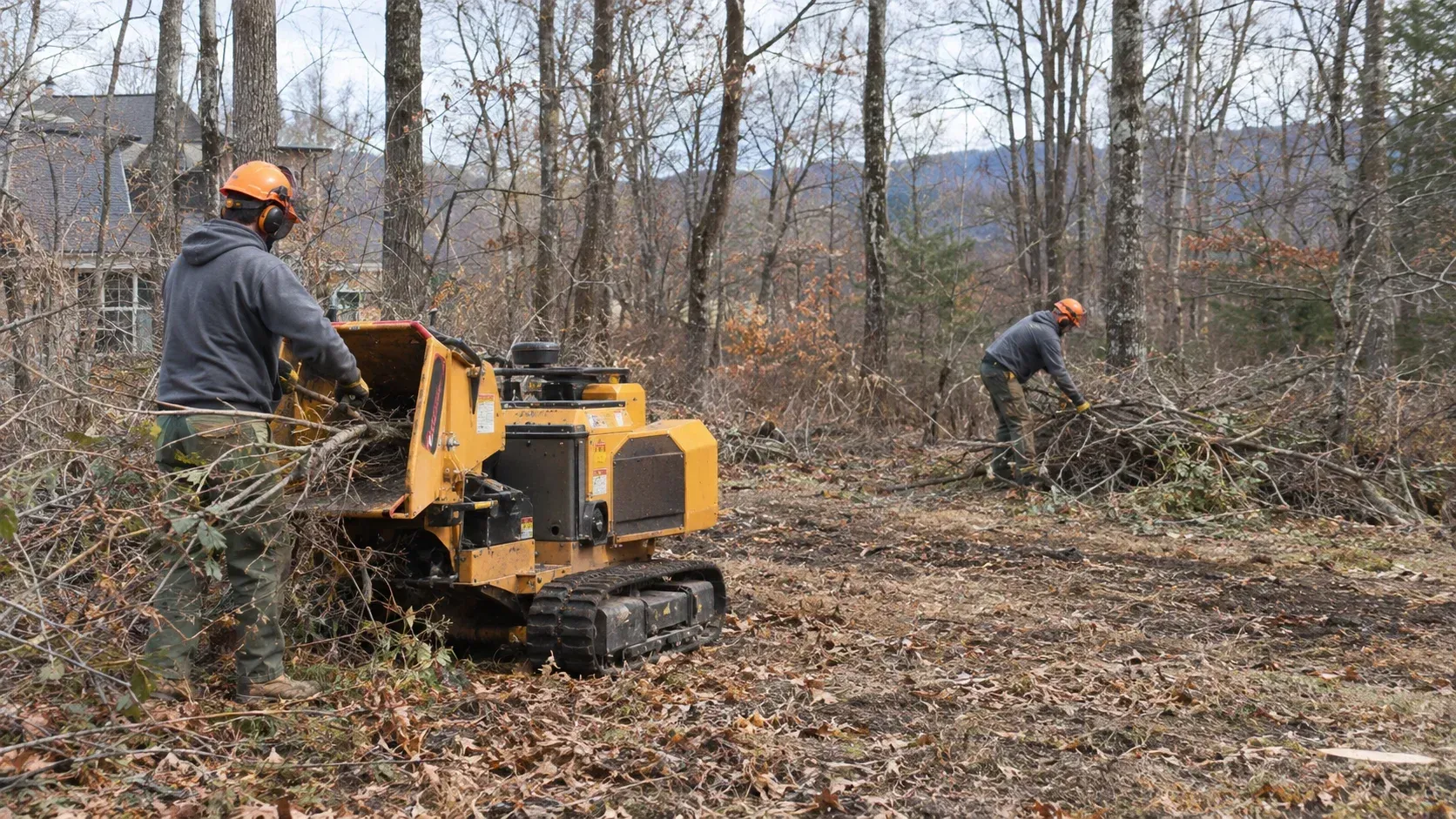
Table of Contents
- What's the Best Season for Brush Removal?
- Why Late Fall and Winter Often Work Best
- What Changes by Season
- A Framework for Choosing Your Timing
- When Timing Matters More Than Season
- Common Misconceptions About Brush Removal Timing
- A Realistic Scheduling Scenario
- What Typical Online Advice Overlooks
- Limitations and When the "Best" Season Does Not Apply
- Conclusion
Key Takeaways
- Late fall through winter is generally the most practical season for brush removal in the Poconos, mainly because frozen or firm ground supports equipment better and brush is easier to see and access.
- Spring brings soft, muddy ground that can complicate access and cause more property disturbance from heavy equipment.
- Summer brush is at its densest and leafiest, which can slow the work and raise fire and tick exposure concerns during the clearing itself.
- The right season also depends on your reason for clearing, since fire prevention, construction prep, and general overgrowth cleanup each have different timing priorities.
- Season is one factor among several. Ground conditions, project purpose, and contractor availability often matter as much as the calendar.
Introduction
Late fall through winter is generally the best season to schedule brush removal in the Poconos, largely because the ground is firmer, access is easier, and brush is less dense than during the growing season. That said, the right timing also depends on why you are clearing in the first place, since a fire prevention project and a construction prep project do not always follow the same calendar. Property owners planning brush removal often assume any time of year works the same, but ground conditions and vegetation growth actually shift the difficulty and outcome of the work considerably.
This matters for homeowners and business owners across the Pocono region because the area's seasonal swings are significant. Frozen winters, muddy springs, and dense summer undergrowth each create different working conditions, and choosing badly can mean more property damage, slower work, or a job that has to be redone the following year. This guide walks through what actually changes by season, so you can schedule with realistic expectations rather than guessing.
What's the Best Season for Brush Removal?
Direct answer: Late fall through winter is usually the most practical season for brush removal in the Poconos, because frozen or firm ground supports equipment well, vegetation has died back, and visibility through the brush is at its best.
Why Dormant Season Clearing Works Well
Once deciduous brush loses its leaves, crews can see the actual structure of what needs to be cleared rather than guessing at what is hidden under foliage. This typically makes the work faster and more precise, since less time is spent working around material that would otherwise be hidden from view.
It Is Not an Absolute Rule
This is a general pattern, not a fixed law. A property's specific soil type, slope, and local microclimate can shift the ideal window, and some projects genuinely need to happen regardless of season because of safety or construction deadlines.
Why Late Fall and Winter Often Work Best
Firmer Ground Reduces Equipment Damage
Brush clearing often involves machinery, and wet or soft soil is far more prone to rutting and compaction under heavy equipment. Frozen ground in winter, or firm dry ground in late fall, generally holds up better and reduces damage to the surrounding lawn or soil structure.
Less Interference From Active Growth
During the growing season, brush is thick, leafy, and often tangled with vines and undergrowth that make the actual woody material harder to identify and access. In the dormant season, that interference largely disappears, leaving a clearer picture of what is actually there.
Lower Wildlife Disturbance
Many birds and small mammals nest or raise young during spring and summer. Clearing during the dormant season reduces the chance of disturbing active nests or dens, which matters to property owners who want to manage their land responsibly.
Fewer Pest and Safety Concerns During the Work Itself
Tick activity and biting insects are far less of a concern for crews and property owners during cold months. This does not change the long-term fire or tick-habitat benefits of brush removal, but it does make the work itself more comfortable and lower-risk in the short term.
What Changes by Season
Spring: Soft Ground and Reactive Timing
Spring often brings thawing, saturated soil that is easily rutted by equipment. Many people also attempt brush clearing in spring somewhat reactively, trying to clean up storm damage or get ahead of summer growth, which can mean less planning time and tighter scheduling.
Summer: Dense Growth and Slower Progress
By midsummer, brush is at its fullest and most tangled. Full leaf cover also hides vines, thorny growth, and uneven ground, which can slow the pace of clearing and make it harder to spot hazards like old fencing or debris hidden in the undergrowth.
Fall: A Practical Transition Window
Early to mid fall, before the ground freezes, often provides a reasonable middle ground. Vegetation is beginning to die back, ground conditions are usually still workable, and scheduling tends to be more flexible before winter weather arrives.
Winter: The Most Common Preferred Window
Winter frequently offers the clearest access and least vegetation interference, assuming the ground is frozen rather than muddy from a thaw. The tradeoff is that very deep snow can also complicate access, so winter benefits depend on actual conditions in a given year, not the calendar date alone.
A Framework for Choosing Your Timing
Rather than defaulting to "do it in winter" automatically, it helps to weigh your specific priorities.
| Priority | Better Suited Season | Why |
|---|---|---|
| Easiest equipment access | Late fall through winter | Firmer ground, less rutting risk |
| Fire risk reduction before dry season | Spring, before summer heat | Clears fuel load ahead of peak fire risk |
| Construction or building prep | Driven by project deadline | Timing follows the broader project schedule |
| Minimizing disturbance to wildlife | Late fall through winter | Avoids active nesting and breeding periods |
| Tick and pest exposure during work | Fall through winter | Lower insect activity during the clearing itself |
How to Use This Table
Start by identifying your main reason for clearing. If multiple priorities apply, as they often do, late fall through winter tends to satisfy the largest number of them at once, which is part of why it is the commonly recommended default.
When Timing Matters More Than Season
Storm Damage and Safety Hazards
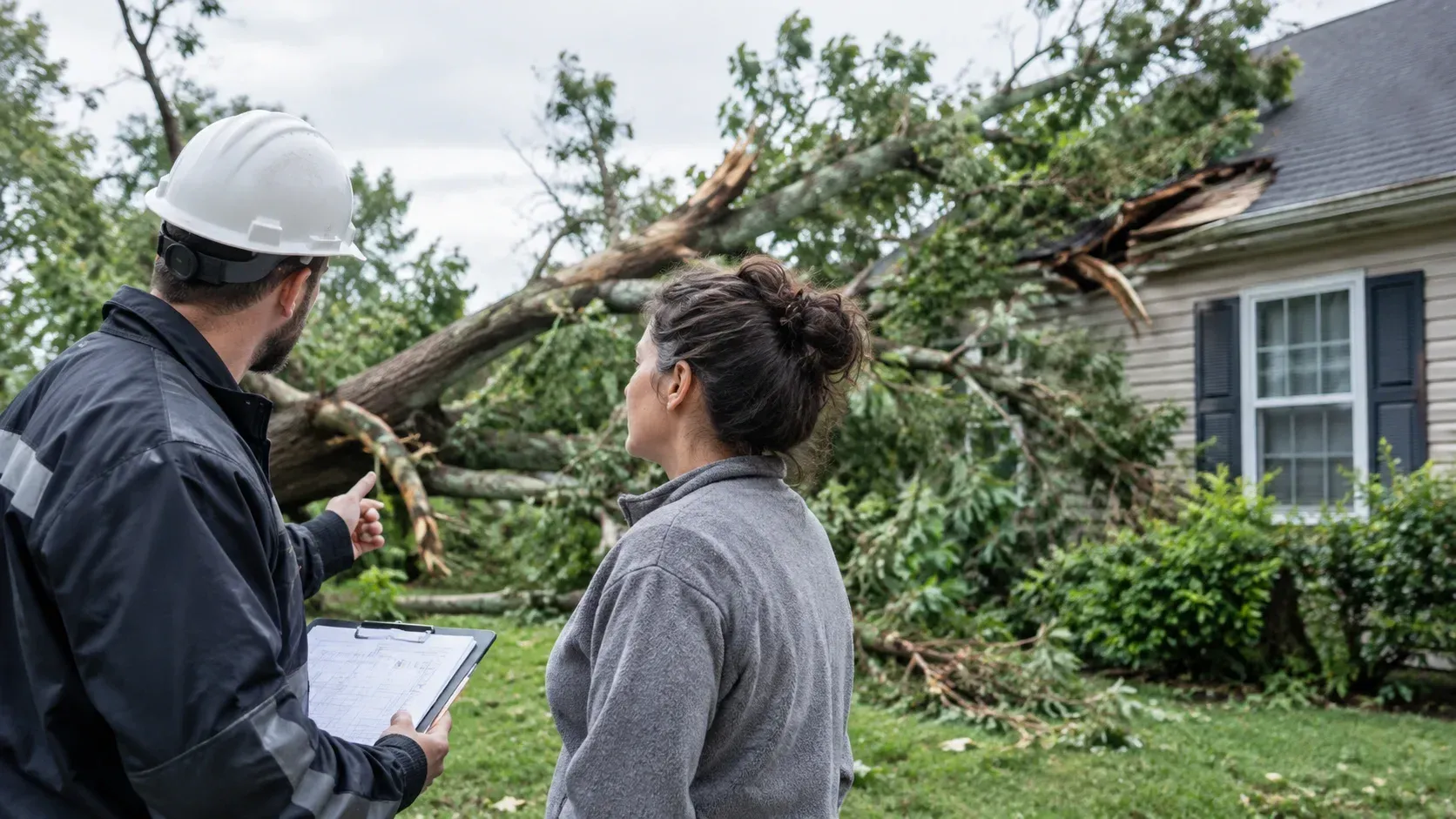
If brush or downed limbs are creating an immediate hazard, such as blocking access, posing a fire risk, or hiding a structural problem, the safe and sensible choice is to address it promptly rather than waiting for an ideal season. This often overlaps with routine tree trimming and pruning work, since storm damage frequently affects both brush and standing trees at the same time. Safety concerns generally override seasonal preference.
Business Properties With Operational Needs
For business owners, brush removal sometimes needs to align with customer visibility, seasonal operations, or scheduled site work rather than the calendar that would be ideal for the vegetation itself. A commercial property preparing for a spring opening may need clearing finished before winter ends, regardless of ground conditions, and larger sites sometimes expand into full land clearing rather than brush work alone.
Fire Prevention Deadlines
In fire-prone conditions, waiting for the "ideal" dormant season can mean missing the window before dry summer conditions set in. In these cases, clearing earlier, even under less than perfect ground conditions, may be the more responsible choice.
Common Misconceptions About Brush Removal Timing
Belief: Brush Removal Can Happen Any Time With No Real Difference
Reality: Ground conditions and vegetation density change significantly by season, which affects access, equipment wear, and how thoroughly the work can be done. Why it matters: Scheduling without considering season can lead to a slower, messier, or more damaging process than necessary.
Belief: Winter Is Always the Right Answer
Reality: Winter is frequently advantageous, but a late thaw, excessive snow, or an urgent safety issue can make another season more practical. Why it matters: Treating winter as an automatic rule ignores real variation from year to year and project to project.
Belief: Clearing Brush Once Means It Is Handled Permanently
Reality: Brush regrows, and many properties benefit from periodic maintenance rather than a single one-time clearing. Why it matters: Planning for ongoing upkeep, not just a single project, leads to better long-term results.
A Realistic Scheduling Scenario
The following is a hypothetical example used to illustrate how these factors come together. It does not describe a specific customer.
The Setup
Imagine a homeowner near Stroudsburg with a half-acre of overgrown brush along the property line, bordering a wooded area. The property has no immediate hazard, but the owner wants the brush cleared before it affects next summer's fire risk and before ticks become active again.
Applying the Framework
Working through the priorities, equipment access, fire risk timing, and tick exposure during the work all point toward the same general window: late fall through winter. There is no urgent safety issue forcing immediate action, so the homeowner has the flexibility to aim for that period rather than scheduling reactively in spring.
The Outcome
By scheduling in late fall, before the ground fully freezes but after growth has died back, the homeowner gets manageable ground conditions, clear visibility into the brush, and a head start on fire prevention before the following summer, all from one well-timed project rather than a rushed spring cleanup. A quick look at the full range of tree and property services available can also reveal whether other work, like pruning or stump grinding, makes sense to bundle into the same visit.
What Typical Online Advice Overlooks
Year-to-Year Variation Gets Ignored
Generic advice often treats "winter" as a fixed, predictable window, but actual conditions vary considerably year to year. A mild winter with little frost can leave ground softer than expected, while an early or late thaw shifts the practical window in either direction.
The Maintenance Cycle Is Rarely Mentioned
Most articles focus on a single clearing event and skip the fact that many properties need brush addressed on a recurring basis, not as a one-time task. Thinking in terms of an ongoing seasonal rhythm, rather than a single ideal date, leads to better long-term land management.
Contractor Availability Is a Real Constraint
Popular seasons for brush clearing tend to be popular for a reason, which means scheduling during peak demand periods can mean longer wait times. Flexibility on exact timing within the ideal season can sometimes matter as much as the season itself.
Limitations and When the "Best" Season Does Not Apply
No Single Season Fits Every Property
Slope, drainage, soil type, and microclimate all vary across the Poconos, and a general recommendation cannot account for every property's specific conditions. What works well on a flat, well-drained lot may behave differently on a steep or poorly drained one.
Safety and Urgency Override Seasonal Preference
A hazardous tree, fire risk, or access-blocking brush pile should be addressed when it becomes a problem, not held off for a theoretically better season. Waiting in these cases can introduce more risk than any seasonal advantage would offset.
This Guidance Reflects General Patterns, Not Guarantees
Describing late fall and winter as generally advantageous is not the same as guaranteeing a specific outcome for every property or every year. Actual conditions should be confirmed with a professional familiar with your specific site before finalizing a schedule.
Conclusion
Late fall through winter is generally the most practical season to schedule brush removal in the Poconos, mainly due to firmer ground, reduced vegetation interference, and lower disturbance to wildlife. Spring brings soft, muddy conditions that complicate access, while summer brush is at its densest and slowest to clear. That said, the right timing ultimately depends on your specific reason for clearing, whether that is fire prevention, construction prep, or general property maintenance, along with the actual ground conditions in a given year.
Rather than defaulting to a single rule, it helps to weigh your priorities, like equipment access, safety, and seasonal risk, against the realistic conditions on your property. Safety concerns and urgent hazards should always take priority over waiting for an ideal season.
Planning Brush Removal in the Poconos This Season?
If you are trying to figure out the right timing for brush removal on your Stroudsburg area property, a quick conversation can help clarify what makes sense for your specific site and goals. You can
contact McIntyre's
Tree Service or call (610) 762-0660 to talk through your property and get a realistic sense of timing and cost before committing to a schedule.
Frequently Asked Questions
What is the best month to clear brush in the Poconos?
There is no single best month, but late fall through winter is generally favorable due to firmer ground and reduced vegetation. Actual timing depends on weather conditions in a given year and the specific reason for clearing.
Can brush removal be done in the summer?
Yes, though summer brush is denser and leafier, which can slow the work and make hazards harder to spot. Summer clearing is sometimes necessary for fire prevention or urgent safety reasons despite the less ideal conditions.
Does brush removal timing matter for fire prevention?
Yes. Clearing before the dry season, often in spring, can reduce fuel load before fire risk peaks in summer. Waiting for the technically ideal winter window can sometimes mean missing this earlier safety priority.
Will brush grow back after it's cleared?
Often, yes, especially with fast-growing species. Many properties benefit from periodic maintenance clearing rather than treating one project as a permanent, one-time solution.
Should I wait for the right season if I have a safety hazard now?
No. Hazardous brush, blocked access, or fire-risk conditions should be addressed promptly rather than delayed for seasonal convenience. Safety concerns generally outweigh the benefits of waiting for ideal timing.
Related Posts