What Equipment Does a Professional Stump Grinder Use?
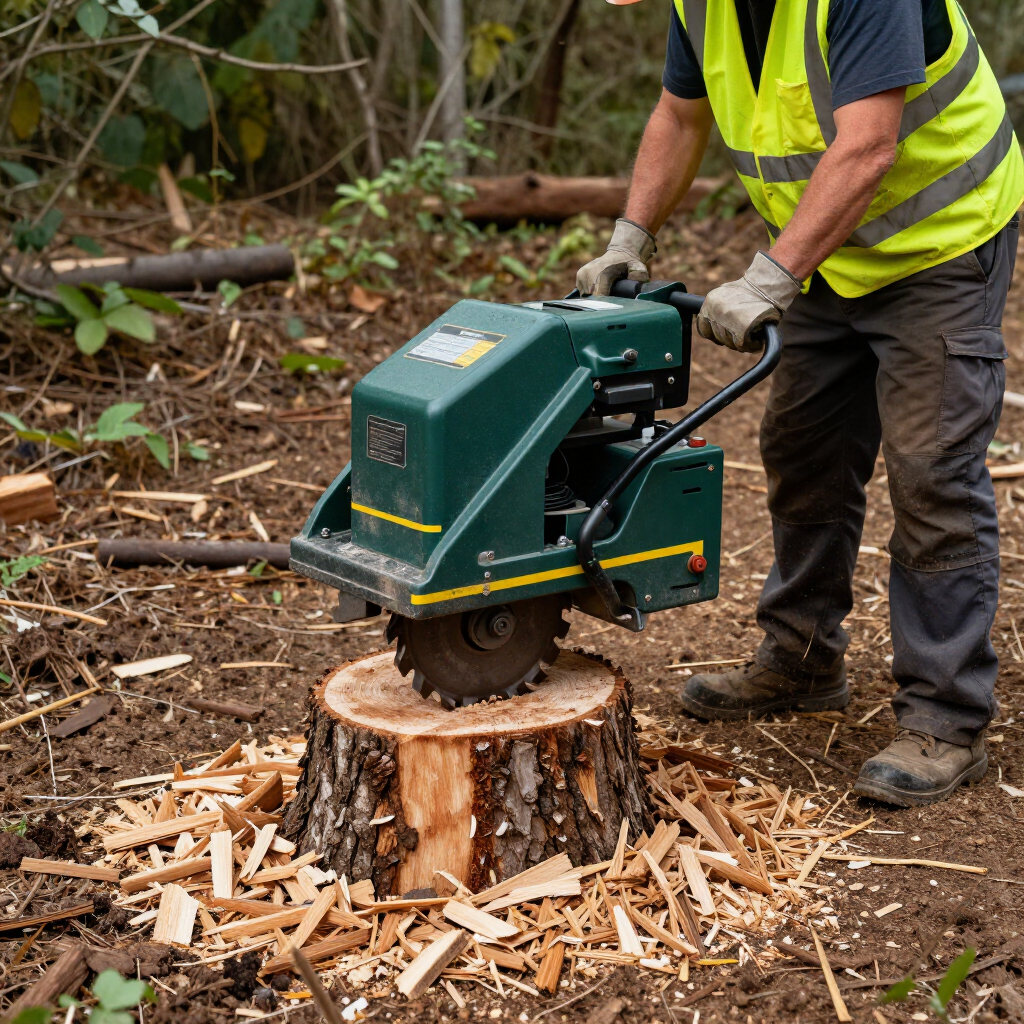
Table of Contents
- Introduction
- Overview of Professional Stump Grinding Equipment
- Main Types of Stump Grinding Machines
- Essential Stump Grinder Tools Used on Site
- Safety Gear Used in Stump Grinding Work
- Support Equipment for Site Preparation and Cleanup
- How Equipment Choice Varies by Job Conditions
- Maintenance and Inspection of Stump Grinding Equipment
- Conclusion
- Book a Stump Grinding Service
- Frequently Asked Questions
Key Takeaways
- Professional stump grinding relies on specialized machines designed to break down tree stumps below ground level
- Different stump grinding equipment is used depending on stump size, location, and surrounding hazards
- Safety gear and stump grinder tools are essential to protect operators and surrounding property
- Hand tools and support equipment help prepare the site and complete cleanup after tree stump grinding
- Proper equipment selection improves efficiency, precision, and site safety in residential and commercial work
Introduction
Professional stump grinding equipment refers to the specialized machines, tools, and safety gear used to remove tree stumps efficiently and safely after tree removal. In most cases, stump grinding is performed using a mechanized grinder that chips the stump into small wood pieces below ground level.
This topic matters to homeowners and property owners in Stroudsburg, PA because leftover stumps can affect yard safety, landscaping plans, and property maintenance. Understanding how professionals carry out tree stump grinding helps property owners make informed decisions about scheduling, site preparation, and expectations during the process.
Overview of Professional Stump Grinding Equipment
Stump grinding is not performed with basic landscaping tools. Professionals rely on purpose-built equipment designed specifically for cutting through dense wood and root systems.
The core stump grinding equipment includes a powered grinding machine, cutting teeth, and stabilizing systems that allow controlled removal of the stump. Additional stump grinder tools and safety gear support the process from setup to cleanup.
Each component plays a role in ensuring the stump is reduced safely without unnecessary disturbance to surrounding soil, structures, or landscaping features.
Main Types of Stump Grinding Machines
Handheld and Compact Stump Grinders
Smaller stump grinders are often used for residential yards with limited access. These machines are lightweight and maneuverable, making them suitable for tight spaces or smaller stumps.
They are commonly used in areas where larger machines cannot enter, such as fenced gardens or narrow side yards.
Walk-Behind Stump Grinders
Walk-behind grinders are among the most common types of professional stump grinding equipment. Operators guide the machine while the cutting wheel rotates horizontally into the stump.
These machines are suitable for medium-sized stumps and offer a balance between power and control.
Self-Propelled Stump Grinders
Self-propelled models are designed for efficiency on larger properties or commercial sites. They can move independently and handle multiple stumps in a single session.
These machines are often used in tree stump grinding projects where speed and coverage are important.
Tow-Behind Stump Grinders
Tow-behind grinders are attached to trucks or utility vehicles. They provide high power output and are typically used for heavy-duty or large-scale stump removal.
They are commonly selected for municipal work, land clearing, or commercial landscaping projects.
Essential Stump Grinder Tools Used on Site
Beyond the main machine, professionals use a variety of stump grinder tools to support the job.
Cutting Teeth and Replacement Parts
The cutting teeth are the most critical components of a stump grinder. These hardened steel teeth gradually wear down and are regularly replaced or sharpened to maintain performance.
Measuring and Marking Tools
Operators may use marking tools to outline stump boundaries and identify grinding depth requirements. This helps maintain consistency and avoids unnecessary ground disturbance.
Rakes and Shovels
Hand tools like rakes and shovels are used after grinding to level wood chips and soil. These tools help prepare the area for replanting or landscaping.
Chains and Stabilizers
Chains and stabilizers secure equipment during operation. They help maintain balance, especially on uneven ground or sloped surfaces.
Safety Gear Used in Stump Grinding Work
Safety is a core part of any professional stump grinding process. Operators use protective equipment to reduce exposure to flying debris, noise, and mechanical hazards.
Personal Protective Equipment (PPE)
Common PPE includes:
- Safety goggles or face shields
- Heavy-duty gloves
- Steel-toe boots
- Hearing protection
- High-visibility clothing
Machine Safety Features
Modern stump grinders include built-in safety systems such as emergency shutoff switches, protective guards, and operator control handles designed to reduce accidental contact with cutting components.
Site Safety Controls
Before starting work, professionals often establish a controlled work zone. This may include marking off areas and ensuring bystanders remain at a safe distance.
Support Equipment for Site Preparation and Cleanup
Tree stump grinding involves more than just removing the stump. Additional equipment is often used to prepare and restore the site.
Wood Chip Management Tools
Grinding produces large amounts of wood chips. These are managed using wheelbarrows, loaders, or blowers depending on the job size.
Compact Loaders
For larger projects, compact loaders may be used to move debris efficiently. This helps speed up cleanup and prepares the site for further landscaping.
Soil Leveling Tools
After grinding, the remaining hole is typically filled with chips and leveled using soil rakes or compacting tools.
How Equipment Choice Varies by Job Conditions
The type of stump grinding equipment used depends on several factors:
- Stump size and root depth
- Location accessibility
- Soil type and moisture level
- Nearby structures or utilities
- Number of stumps to be removed
In residential areas like Stroudsburg, PA, compact or walk-behind grinders are often preferred due to space limitations. Larger commercial properties may require self-propelled or tow-behind machines for efficiency.
Maintenance and Inspection of Stump Grinding Equipment
Proper maintenance is essential for safe and effective operation of stump grinding equipment.
Routine Inspections
Before use, professionals inspect:
- Cutting teeth condition
- Hydraulic systems
- Fuel or power supply
- Safety controls
Cleaning and Servicing
After each job, machines are cleaned to remove wood debris and dirt buildup. Regular servicing helps extend the life of stump grinder tools and maintain cutting efficiency.
Replacement of Wear Parts
Cutting teeth and belts are replaced when worn. This ensures consistent performance during tree stump grinding tasks and reduces strain on the machine.
Conclusion
Professional stump grinding equipment includes specialized machines, cutting tools, safety gear, and support tools that work together to remove tree stumps safely and efficiently. Each piece of equipment plays a specific role, from grinding the stump below ground level to cleaning and restoring the site afterward.
For homeowners and property owners, understanding this equipment provides clarity on how stump removal is performed and what to expect during the process. It also highlights the importance of trained operators using the right tools for each job condition.
Book a Tree Take Down and Removal Service
If you are planning tree stump removal in Stroudsburg, PA, understanding the process can help you make informed decisions about your property. For professional support and guidance on stump grinding equipment and services. For more information, you may contact us at 610-762-0660 or mcintyrestreeservice@gmail.com to discuss your specific concerns and determine the most appropriate next steps.
Frequently Asked Questions
How do we know what stump grinding equipment is used for different stump sizes?
We select stump grinding equipment based on stump diameter, root depth, and site access. Smaller stumps need compact machines, while larger ones require heavy-duty grinders.
Why do we use different stump grinder tools during one job?
We use different stump grinder tools because each stage of tree stump grinding needs specific support, from cutting to cleanup and leveling the ground.
How do we ensure stump grinding equipment does not damage nearby structures?
We position equipment carefully and use controlled grinding techniques. Distance, depth control, and machine type help protect nearby structures.
What safety gear do we rely on during stump grinding work?
We use PPE such as goggles, gloves, boots, and hearing protection to reduce exposure to debris, noise, and machine operation risks.
How often do we inspect stump grinding equipment during projects?
We inspect stump grinding equipment before and after each job to ensure cutting efficiency, safety, and proper mechanical function.
Related Posts