What Should You Do After a Fallen Tree Damages Your Property?
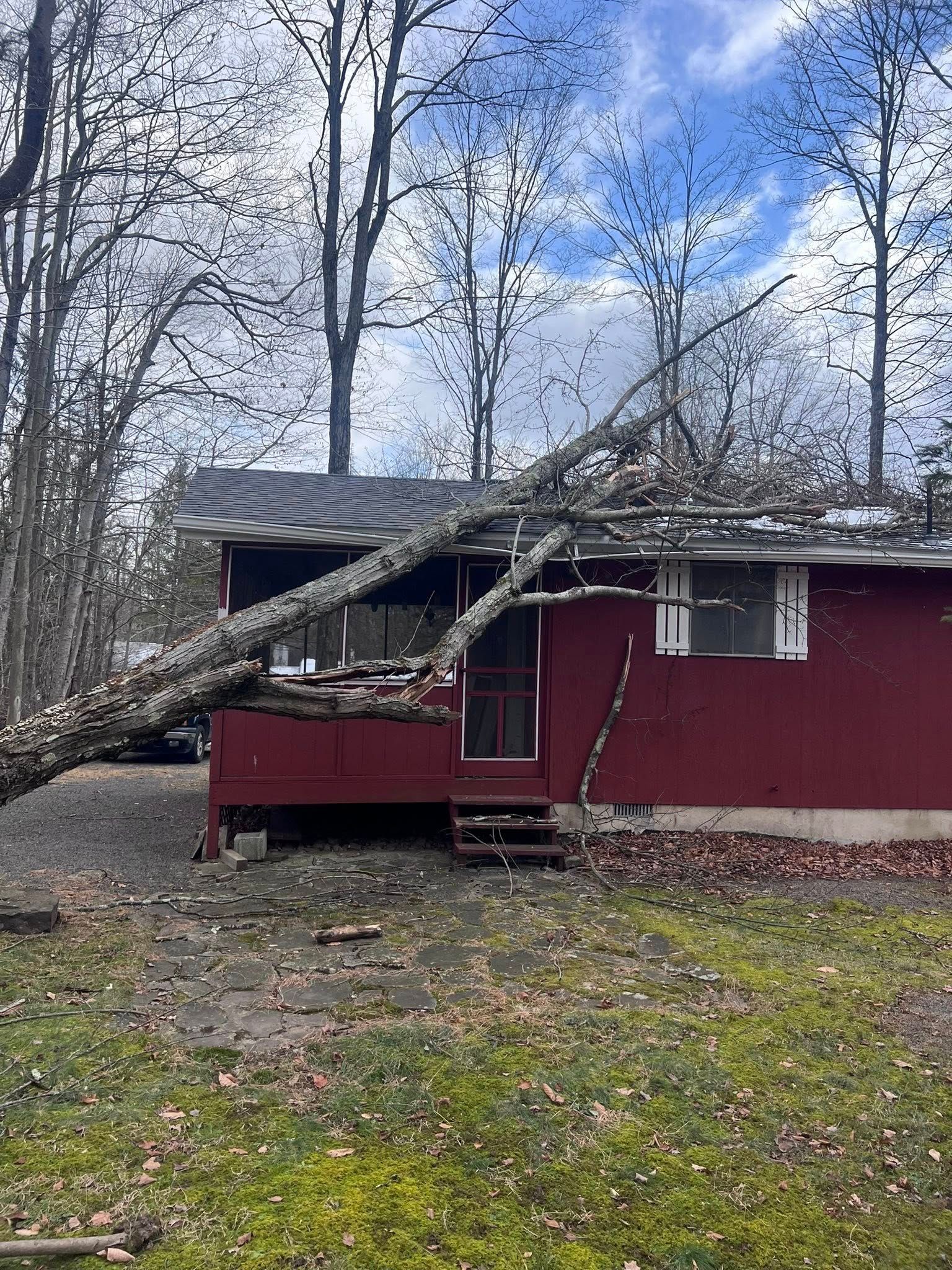
Table of Contents
- Introduction
- Immediate Safety Steps After a Fallen Tree
- Assessing Property Damage
- Understanding Responsibility and Liability
- Insurance Considerations After a Downed Tree
- Cleanup and Tree Removal Considerations
- Preventing Future Tree Damage
- Conclusion
- Book a Tree Take Down and Removal Service
- Frequently Asked Questions
Key Takeaways
- Prioritize safety and stay clear of hazards like power lines and unstable structures.
- Document all visible damage before starting cleanup or repairs.
- Understand how insurance may apply depending on ownership and cause.
- Avoid handling large or hazardous debris without proper equipment.
- Consider professional assessment for safe and complete tree removal.
Introduction
After a fallen tree damages your property, your first steps should focus on safety, documenting the damage, and understanding your responsibilities. Acting carefully helps reduce further risk and supports informed decisions about repairs, insurance, and cleanup.
This topic matters to homeowners and property owners in Stroudsburg, PA, especially in areas where storms, aging trees, or soil conditions can increase the risk of a downed tree. Knowing what to do next can help you navigate a stressful situation with clarity and confidence.
Immediate Safety Steps After a Fallen Tree
A fallen tree can create serious hazards. Acting quickly, but carefully, is essential.
Stay Clear of Dangerous Areas
Keep a safe distance from the fallen tree, especially if it involves:
- Power lines
- Damaged roofs or structures
- Split or hanging branches
Even if the damage appears minor, unseen risks may still exist.
Check for Injuries
Make sure everyone on the property is safe. If anyone is injured, contact emergency services immediately.
Turn Off Utilities if Necessary
If the tree has affected gas lines, electrical systems, or water lines, it may be necessary to shut off utilities. Only do this if it is safe to access the shutoff points.
Assessing Property Damage
Once the area is safe, the next step is to evaluate the extent of the damage.
Document the Scene
Take clear photos and videos of:
- The fallen tree and its position
- Structural damage to your home or buildings
- Damage to fences, vehicles, or landscaping
This documentation may be useful for insurance and repair planning.
Identify Structural Risks
Look for signs such as:
- Cracks in walls or foundations
- Roof sagging or punctures
- Leaning structures
If there is any doubt about safety, avoid entering the damaged area until it is inspected.
Understanding Responsibility and Liability
One common concern is responsibility, especially when a fallen tree affects neighboring properties.
If My Tree Falls on Neighbor's House Who Is Responsible
In many cases, responsibility depends on the condition of the tree before it fell.
- If the tree was healthy and fell due to a storm or natural event, it is often considered an "act of nature." Each property owner typically handles their own damage.
- If the tree was visibly dead, diseased, or neglected, the owner may be considered responsible for resulting damage.
Local laws in Stroudsburg, PA may influence how liability is determined. It is often helpful to review local ordinances or consult with a qualified professional.
Communication With Neighbors
If a downed tree affects a neighboring property:
- Inform your neighbor as soon as possible
- Share any documentation you have
- Keep communication respectful and factual
Insurance Considerations After a Downed Tree
Insurance coverage can vary depending on the situation and policy details.
What Homeowners Insurance May Cover
In many cases, insurance policies may cover:
- Structural damage to your home
- Removal of the fallen tree if it caused damage
- Damage to other insured structures
However, coverage limits and exclusions may apply.
When Coverage May Be Limited
Insurance may not cover:
- Tree removal if no structures were damaged
- Damage caused by neglect or lack of maintenance
It is important to review your specific policy and contact your insurance provider for clarification.
Filing a Claim
When filing a claim:
- Provide photos and documentation
- Keep records of any temporary repairs
- Avoid making permanent repairs until the claim is reviewed, unless necessary for safety
Cleanup and Tree Removal Considerations
Removing a fallen tree can be complex, especially if it involves large sections or structural damage.
Avoid DIY for Large or Hazardous Trees
Handling a large fallen tree without proper tools and training can be unsafe. Risks include:
- Falling branches
- Equipment misuse
- Structural collapse
When to Contact Professionals
Professional tree removal services may be appropriate when:
- The tree is large or entangled with structures
- There are safety concerns
- Specialized equipment is required
Professionals can also assess whether additional tree removal or pruning is needed to prevent further issues.
Preventing Future Tree Damage
While not all tree falls can be prevented, certain steps may reduce risk.
Regular Tree Inspections
Check for signs such as:
- Dead or hanging branches
- Cracks in the trunk
- Leaning trees or exposed roots
Routine Maintenance
Pruning and removing weak branches can help reduce the likelihood of damage during storms.
Soil and Root Health
Healthy soil supports strong root systems. Poor drainage or soil erosion can weaken tree stability over time.
Conclusion
A fallen tree can cause unexpected damage and raise important safety and responsibility questions. By focusing on immediate safety, documenting the situation, and understanding insurance and liability factors, property owners can make informed decisions.
Careful assessment and, when needed, professional support can help ensure that cleanup and repairs are handled responsibly. Taking preventive steps in the future may also reduce the likelihood of similar incidents.
Book a Tree Take Down and Removal Service
If you need guidance after a fallen tree or want help evaluating safe removal options, you can reach out to Mcintyre's Tree Service for clear and practical information. Their team can assist with assessing tree conditions and explaining next steps for removal in Stroudsburg, PA. For more information, you may contact us at (610) 762-0660 or mcintyrestreeservice@gmail.com to discuss your specific concerns and determine the most appropriate next steps.
This step is optional and intended to support informed decision-making based on your situation.
Frequently Asked Questions
What should we do first after a fallen tree damages our property?
We should ensure everyone is safe, avoid hazardous areas, and check for immediate risks like power lines before doing anything else.
Does homeowners insurance cover a downed tree?
It may cover damage to structures, but coverage depends on the cause and specific policy details.
If my tree falls on a neighbor’s house, who is responsible?
Responsibility often depends on whether the tree was healthy or neglected before it fell.
Can we remove a fallen tree ourselves?
We can handle small debris, but large or hazardous trees are safer to leave to professionals.
Should we contact a professional before filing an insurance claim?
We can document the damage first, then consult both our insurer and a professional if needed.
Related Posts