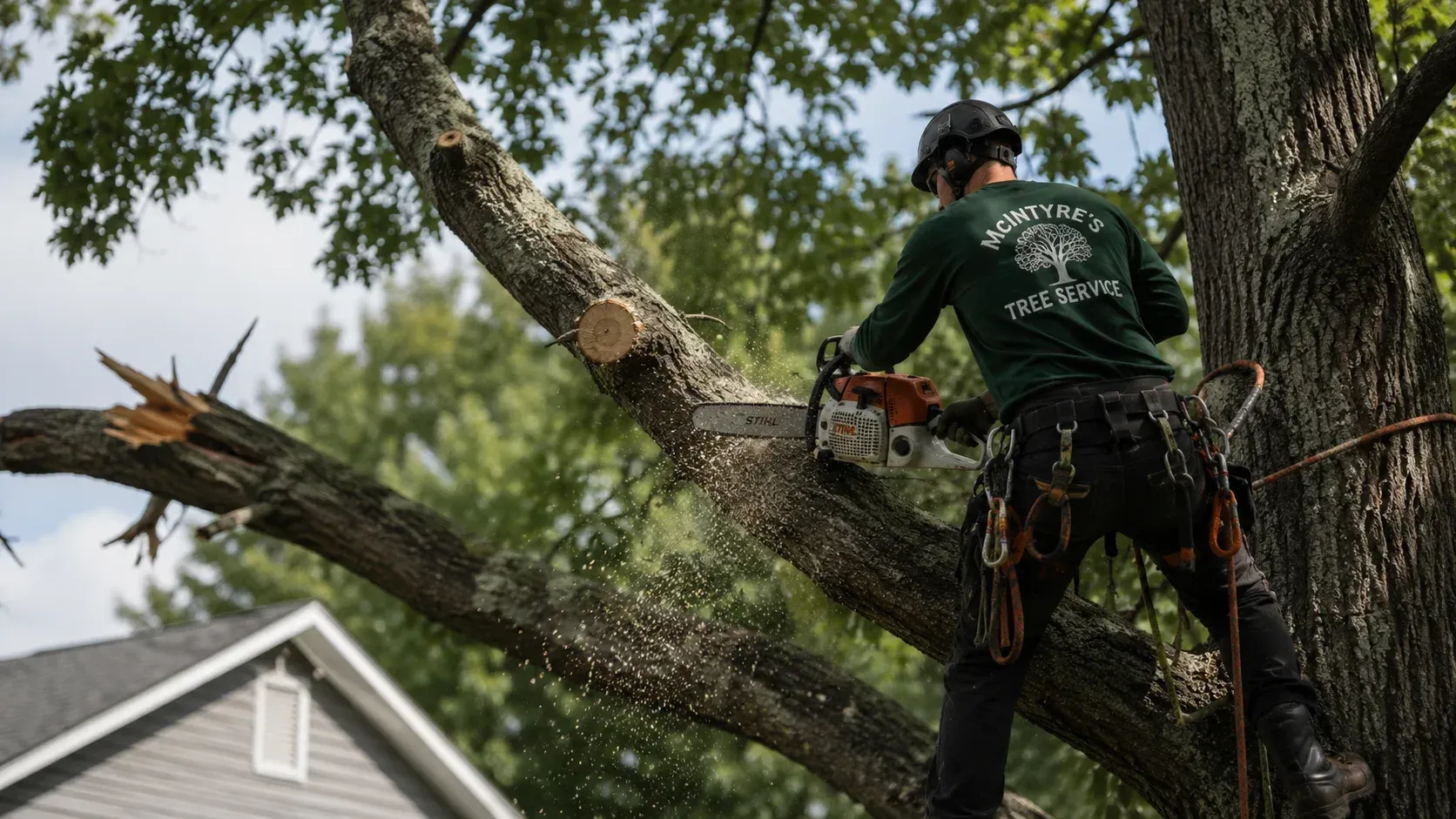
How Dangerous Is a Tree on a Power Line?
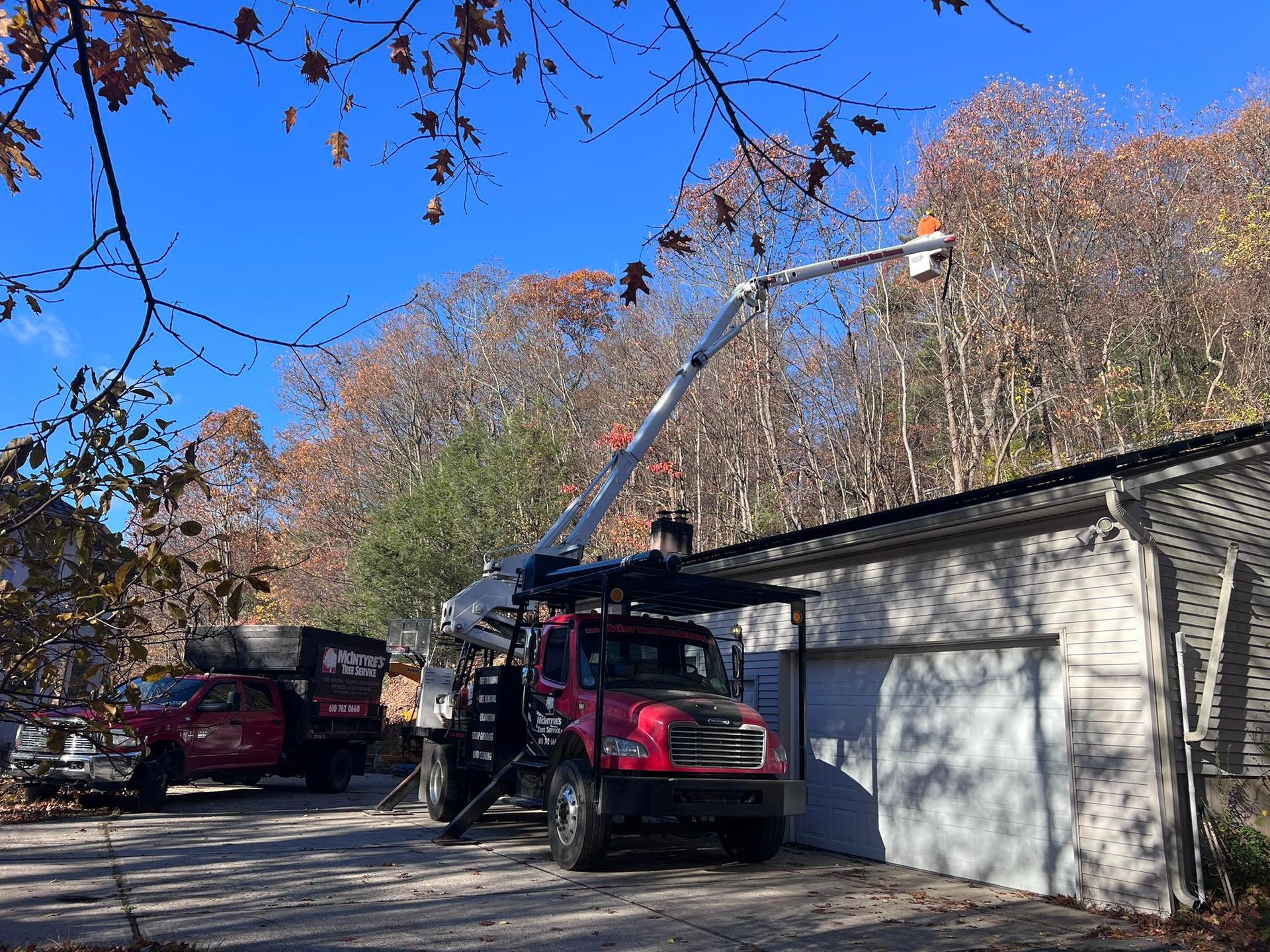
Table of Contents
- Introduction
- What Happens When a Tree Touches a Power Line?
- Why Is a Tree on a Power Line Dangerous?
- Common Scenarios Involving Trees and Power Lines
- Warning Signs to Watch For
- What Should You Do If You See a Tree on a Power Line?
- Why Professional Removal Matters
- Preventing Trees from Reaching Power Lines
- Conclusion
- Book a Tree Take Down and Removal
- Frequently Asked Questions
Key Takeaways
- A tree on a power line presents serious electrical and fire hazards.
- Even indirect contact can transmit electricity through branches or debris.
- Attempting to handle the situation yourself can increase the risk of injury.
- Utility companies and trained professionals should manage the situation.
- Early action helps reduce potential property damage and safety risks.
Introduction
A tree on a power line is highly dangerous because it can conduct electricity, create fire hazards, and lead to sudden power outages or injuries. This situation requires immediate attention from trained professionals rather than homeowners.
For residents in Stroudsburg, PA, understanding these risks is important due to the region's mix of mature trees and seasonal weather conditions. Whether caused by storms or gradual growth, trees growing into power lines can create safety concerns that escalate quickly if left unaddressed.
What Happens When a Tree Touches a Power Line?
When a tree comes into contact with a power line, electricity can travel through the branches, trunk, or even nearby ground. This is especially true if the tree is wet or damaged.
Electricity does not always behave in visible ways. A branch may appear harmless but still carry an electrical current. In some cases, contact may cause sparking, burning, or partial outages without obvious signs.
If a tree fell on a power line, the risk increases further. Fallen trees can pull lines down, energize surrounding surfaces, and create unpredictable hazards for anyone nearby.
Why Is a Tree on a Power Line Dangerous?
Electrical Shock Risk
Trees can act as conductors under certain conditions. Touching a tree that is in contact with a live wire can result in serious injury. The risk is not always visible, which makes the situation more hazardous.
Fire Hazards
Branches rubbing against power lines can create friction and sparks. Over time, this can lead to fires, especially during dry conditions or high winds.
Power Interruptions
Trees growing into power lines are one of the most common causes of outages. Even minor contact can disrupt electrical flow and affect homes and businesses.
Structural Damage
When a tree fell on a power line, it can bring down poles or damage nearby structures. This may affect roofs, fences, or vehicles in the surrounding area.
Common Scenarios Involving Trees and Power Lines
Trees Growing Into Power Lines
This often happens gradually. Branches extend over time and eventually reach nearby lines. Without regular trimming, the risk increases.
Storm Damage
Heavy rain, snow, or strong winds can cause branches or entire trees to fall. A tree fell on a power line is a common result of severe weather events.
Dead or Weak Trees
Trees that are already compromised are more likely to break or collapse. These trees pose a higher risk, especially when located near utility lines.
Warning Signs to Watch For
Recognizing early warning signs can help reduce risk. Look for:
- Branches touching or very close to power lines
- Unusual buzzing or humming sounds
- Visible sparks or smoke
- Leaning trees near utility poles
- Cracked or hanging branches after a storm
Even if no immediate danger is visible, these signs suggest a developing issue that should be evaluated.
What Should You Do If You See a Tree on a Power Line?
Keep a Safe Distance
Stay far away from the tree and any nearby objects. Electricity can travel through the ground or surrounding materials.
Avoid Direct Contact
Do not attempt to touch, move, or cut the tree. Even dry branches can carry current under certain conditions.
Contact the Utility Company
Power companies are responsible for managing electrical lines. Reporting the issue helps ensure a safe and coordinated response.
Seek Professional Assessment
If the situation involves private property, trained tree service professionals can assess the condition and work alongside utility providers when needed.
Why Professional Removal Matters
Handling a tree on a power line requires specialized knowledge, equipment, and coordination with utility services.
Professionals are trained to:
- Evaluate electrical risks before starting work
- Use insulated tools and safety equipment
- Follow local regulations and safety standards
- Coordinate with utility providers when necessary
Attempting to manage the situation without proper training increases the likelihood of injury or further damage.
Preventing Trees from Reaching Power Lines
Prevention is one of the most effective ways to reduce risk.
Regular Tree Maintenance
Routine trimming helps control growth and prevents branches from reaching power lines.
Strategic Planting
When planting new trees, consider their mature height and distance from nearby lines.
Monitoring Tree Health
Healthy trees are less likely to break or fall. Regular inspections can identify issues early.
Professional Inspections
Periodic evaluations by tree care specialists can help identify potential risks before they become urgent problems.
Conclusion
A tree on a power line is a serious safety concern that involves electrical hazards, fire risks, and potential property damage. Even when the situation appears minor, the risks can escalate quickly.
Understanding how these situations develop and knowing how to respond safely allows homeowners to make informed decisions. Avoiding direct involvement and relying on trained professionals helps reduce unnecessary risk while ensuring the situation is handled properly.
Book a Tree Take Down and Removal
If you are dealing with a tree on a power line or concerned about trees growing into power lines, it may help to speak with a qualified professional for guidance.
Mcintyre's Tree Service provides tree take down and removal services in Stroudsburg, PA, with a focus on safety and proper handling. Their team can assess the situation and explain available options so you can make informed decisions.
For more information, you may contact us at (610) 762-0660 or mcintyrestreeservice@gmail.com to discuss your specific concerns and determine the most appropriate next steps.
This step is optional and intended to support informed decision-making based on your situation.
Frequently Asked Questions
Can I remove a tree that is touching a power line myself?
No. Handling a tree in contact with power lines involves electrical risks and should only be managed by trained professionals and utility providers.
What should I do if a tree fell on a power line near my home?
Keep a safe distance and contact your local utility company immediately. Avoid approaching the area.
Are trees always dangerous when near power lines?
Not always, but trees growing into power lines increase risk over time and should be monitored and maintained.
How far should trees be from power lines?
Safe distances vary depending on the type of line and tree species. A professional assessment can provide accurate guidance.
Can weather make the situation more dangerous?
Yes. Rain, wind, and snow can increase conductivity and cause branches or trees to fall, raising the risk level.
Related Posts