How to Prune Trees: Techniques for Health, Safety, and Natural Shape
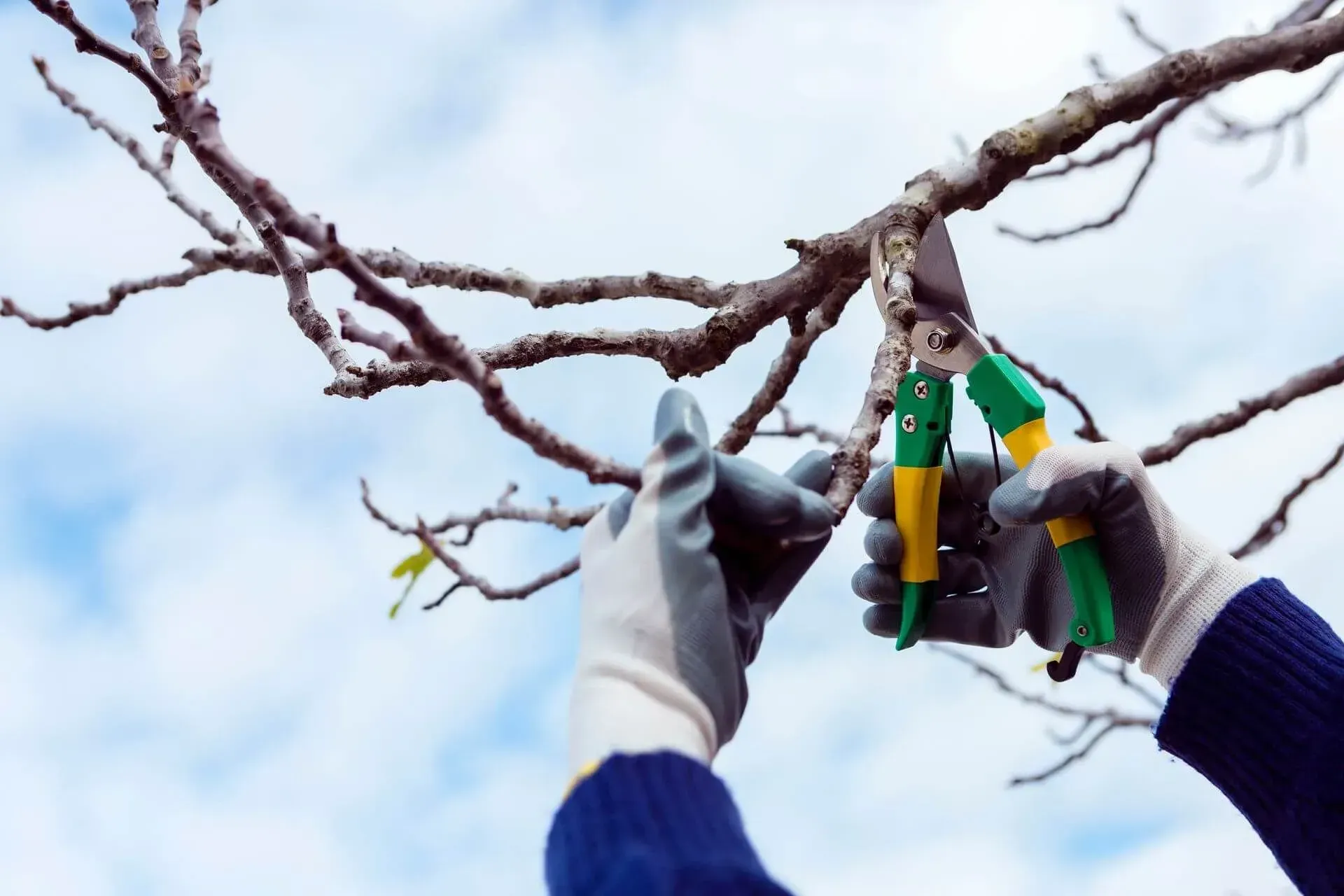
Table of Contents
- Introduction
- The Basics of Tree Pruning
- Common Tree Pruning Techniques
- Tools Used for Tree Pruning
- A Better Approach to Pruning Your Trees
- When Should You Hire a Professional Tree Service?
- Professional Tree Trimming and Pruning in Stroudsburg and Nearby Areas
- Conclusion: Prune for the Tree, Not Just the Appearance
- Frequently Asked Questions
Key Takeaways
- Tree pruning can help address dead, damaged, diseased, or poorly positioned branches.
- Different pruning techniques serve different purposes, including cleaning, thinning, raising, reduction, and shaping.
- Proper pruning should preserve the tree's natural structure rather than remove unnecessary amounts of growth.
- Large trees, high branches, diseased trees, and branches near utility lines may require professional assistance.
- The appropriate pruning approach depends on the tree's species, condition, size, location, and specific needs.
Introduction
Tree pruning is the selective removal of branches to improve a tree's health, structure, safety, and appearance. Done correctly, pruning can remove dead or damaged growth, improve the tree's natural form, and address branches that interfere with buildings, walkways, or other parts of your property. If you are dealing with overgrown trees or are unsure which branches should be removed, professional tree trimming and pruning services can help you determine the right approach for your trees.
The Basics of Tree Pruning
Tree pruning involves carefully removing selected branches or parts of a tree. The goal is not simply to cut away as much growth as possible. Good pruning should support the tree's natural structure while addressing specific needs such as dead branches, excessive growth, poor clearance, or safety concerns.
The right approach can vary depending on the tree species, condition, age, location, and reason for pruning. For that reason, a pruning plan that works for one tree may not be appropriate for another.
When Should You Prune a Tree?
There is no single pruning schedule that applies to every tree. Timing depends on the species, the condition of the tree, the type of pruning being performed, and local growing conditions.
For many deciduous trees, dormant-season pruning can be appropriate, while other pruning needs may need to be addressed at different times of year. Dead, damaged, or hazardous branches may require attention regardless of the season.
If you are uncertain about the right timing, an assessment can help determine what your tree needs before any major cuts are made.
Why Is Tree Pruning Important?
Proper pruning can serve several purposes:
- Tree health: Removing dead, damaged, or diseased branches can help address problems before they spread or create additional hazards.
- Safety: Removing hazardous limbs can reduce the risk associated with branches that could fall or interfere with structures and walkways.
- Appearance: Selective pruning can improve a tree's natural shape and fit it more effectively into the surrounding landscape.
- Light and airflow: Carefully reducing crowded growth can improve the movement of air and the distribution of light through the canopy.
- Structural development: Pruning can help address competing, crossing, or poorly positioned branches before structural problems become more difficult to manage.
McIntyre's Tree Service notes that its pruning work focuses on the shape, structure, and health of trees, while also addressing overgrown and damaged areas.
Common Tree Pruning Techniques
Different pruning techniques address different problems. Understanding the purpose of each technique can help you recognize what your tree may need.
1. Cleaning
Cleaning involves removing dead, dying, diseased, broken, or otherwise problematic branches. This can improve the appearance of the tree while addressing growth that may pose a safety or health concern.
2. Thinning
Thinning involves selectively removing branches to reduce excessive density within the canopy. The goal is to improve light penetration and airflow without unnecessarily changing the tree's natural shape.
Because removing too many branches can stress a tree and alter its structure, thinning should be approached selectively rather than as a general removal of canopy growth.
3. Raising
Raising involves removing or reducing lower branches to provide additional clearance beneath the canopy. This can be useful when branches interfere with walkways, driveways, buildings, or other areas of a property.
4. Reduction
Reduction decreases the size or length of selected branches while attempting to preserve the tree's natural structure. This may be considered when growth has become too large for its location or is interfering with nearby property.
Reduction is different from simply cutting the top or outer portions of a tree indiscriminately. Major cuts should be planned carefully to avoid creating additional structural problems.
5. Shaping
Shaping focuses on maintaining or improving a tree's natural form. The objective should be a balanced appearance that works with the tree's existing structure rather than forcing it into an unnatural shape.
Tools Used for Tree Pruning
The appropriate equipment depends on the size and location of the branches being removed. Common pruning tools include:
- Pruning shears: Useful for smaller branches and precise cuts.
- Loppers: Designed for branches that are too large for standard pruning shears.
- Pruning saws: Used for larger branches that require a saw rather than shears or loppers.
- Pole pruners: Can provide additional reach for certain branches.
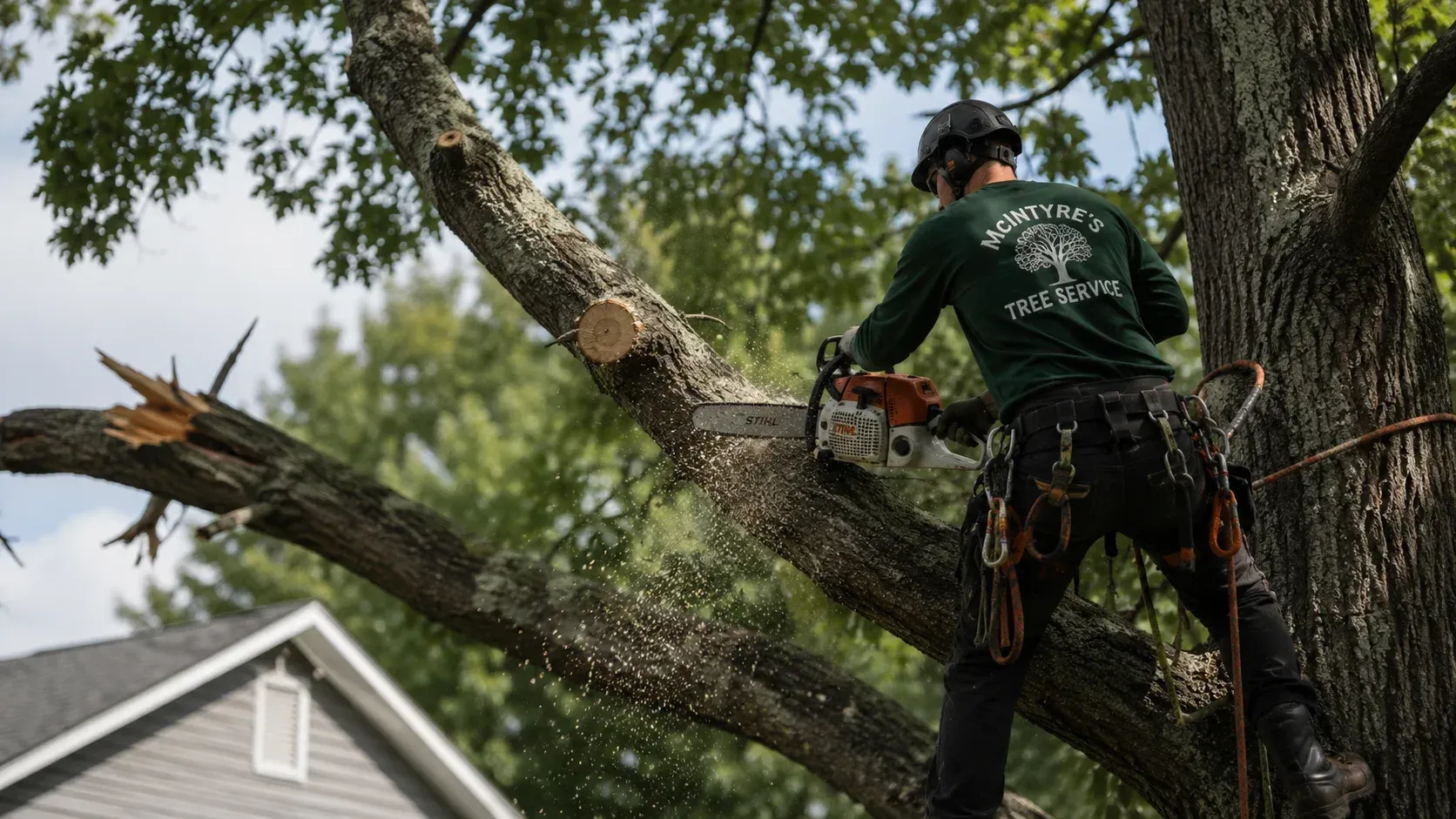
- Safety equipment: Gloves, eye protection, helmets, harnesses, and other protective equipment may be necessary depending on the work.
Using the right equipment is only part of safe pruning. Knowing where and how to make a cut is equally important, particularly when working with large trees or branches near structures and utility lines.
A Better Approach to Pruning Your Trees
Before making cuts, inspect the entire tree rather than immediately removing whichever branches appear overgrown.
1. Inspect the Tree
Look for dead, broken, diseased, crossing, rubbing, or poorly positioned branches. Also consider the tree's overall structure and its relationship to nearby buildings, driveways, sidewalks, and other features.
2. Identify Priority Branches
Dead, damaged, or hazardous branches should generally receive attention before aesthetic shaping. If a branch is large, difficult to access, or located near a structure or utility line, professional assistance may be the safer option.
3. Thin Crowded Growth Selectively
If the canopy is overly dense, selective pruning may improve light and airflow. Avoid removing branches simply because the canopy looks full. Trees need foliage to produce energy and support growth.
4. Address Clearance Problems
Low branches may need to be reduced or removed when they interfere with walkways, driveways, structures, or other areas of the property.
5. Preserve the Tree's Natural Form
Make deliberate cuts rather than repeatedly cutting back branches to create an artificial shape. The objective should be a healthy, structurally sound tree that still looks natural.
6. Avoid Excessive Pruning
Removing too much live growth at once can place unnecessary stress on a tree. The amount of pruning should depend on the species, condition, age, structure, and purpose of the work.
7. Use Proper Cutting Techniques
Cuts should be made carefully and with appropriate tools. Poorly positioned or ragged cuts can create unnecessary wounds and may interfere with the tree's ability to compartmentalize damage.
8. Reassess the Tree
Once the priority work is complete, step back and evaluate the tree from different angles. A good pruning job should address the original problem without unnecessarily changing the tree's natural appearance.
When Should You Hire a Professional Tree Service?
Pruning a small, easily accessible tree may seem straightforward, but larger or more complicated jobs can create significant safety risks.
Consider professional assistance when:
- The tree is large: Working on mature trees can require specialized equipment and experience.
- Branches are high: High branches may require equipment that should not be improvised by a homeowner.
- Branches are near power lines: This can create serious electrical and safety hazards.
- The tree shows signs of disease or decay: Proper identification can help determine what work is appropriate.
- The tree has significant structural problems: Splits, large dead limbs, unusual leaning, or other concerns warrant careful assessment.
- You are unsure what to remove: Cutting the wrong branches can cause unnecessary damage or create future structural problems.
Professional Tree Trimming and Pruning in Stroudsburg and Nearby Areas
If your trees have become overgrown, developed damaged branches, or need routine maintenance, McIntyre's Tree Service provides tree trimming and pruning for properties in and around Stroudsburg and surrounding service areas.
The company says its pruning process begins with a consultation and tree assessment, followed by a customized plan, the scheduled pruning work, cleanup, and maintenance guidance.
For broader property needs, its tree care services also include tree removal, stump grinding, land clearing, brush removal, and tree topping.
Conclusion: Prune for the Tree, Not Just the Appearance
Tree pruning is about more than making a tree look neat. The right cuts can help address dead or damaged branches, improve clearance, support the tree's structure, and maintain a natural appearance.
The most important principle is to avoid treating every tree the same way. Species, size, condition, location, and the reason for pruning all matter. When a tree is large, difficult to access, diseased, damaged, or close to a structure or utility line, professional assessment can help reduce unnecessary risk.
If your trees need professional attention in Stroudsburg or the surrounding area,
McIntyre's Tree Service offers tree trimming and pruning along with other tree care services. Contact the team to discuss your tree care needs.
Frequently Asked Questions
What is the purpose of tree pruning?
Tree pruning selectively removes branches to address issues such as dead or damaged growth, poor clearance, excessive density, or structural concerns. It can also improve a tree's appearance and help maintain its natural form. The appropriate pruning method depends on the tree and the specific reason for the work.
What is the best time to prune trees?
The best time depends on the tree species, its condition, and the type of pruning needed. Dormant-season pruning can be appropriate for many deciduous trees, but hazardous or damaged branches may need attention at other times. A professional assessment can help determine the appropriate timing for a specific tree.
How much of a tree can you prune at one time?
There is no single percentage that is appropriate for every tree. Removing too much live growth can stress a tree and affect its structure. The amount that can safely be removed depends on factors such as species, age, health, structure, and the purpose of the pruning.
Can I prune a large tree myself?
Large-tree pruning can be dangerous because branches may be heavy, high, unstable, or close to structures and utility lines. Professional tree services have specialized equipment and experience for more complicated work. If significant climbing, rigging, or high branches are involved, professional assistance is generally the safer choice.
How do I know if my tree needs pruning?
Signs that a tree may need attention include dead or broken branches, branches rubbing against one another, excessive growth, low branches interfering with walkways, or limbs growing toward structures. A tree that appears unhealthy, unstable, or structurally compromised should be assessed before pruning work begins.
Related Posts