What to Do If You Have a Tree Planted Too Close to Your House
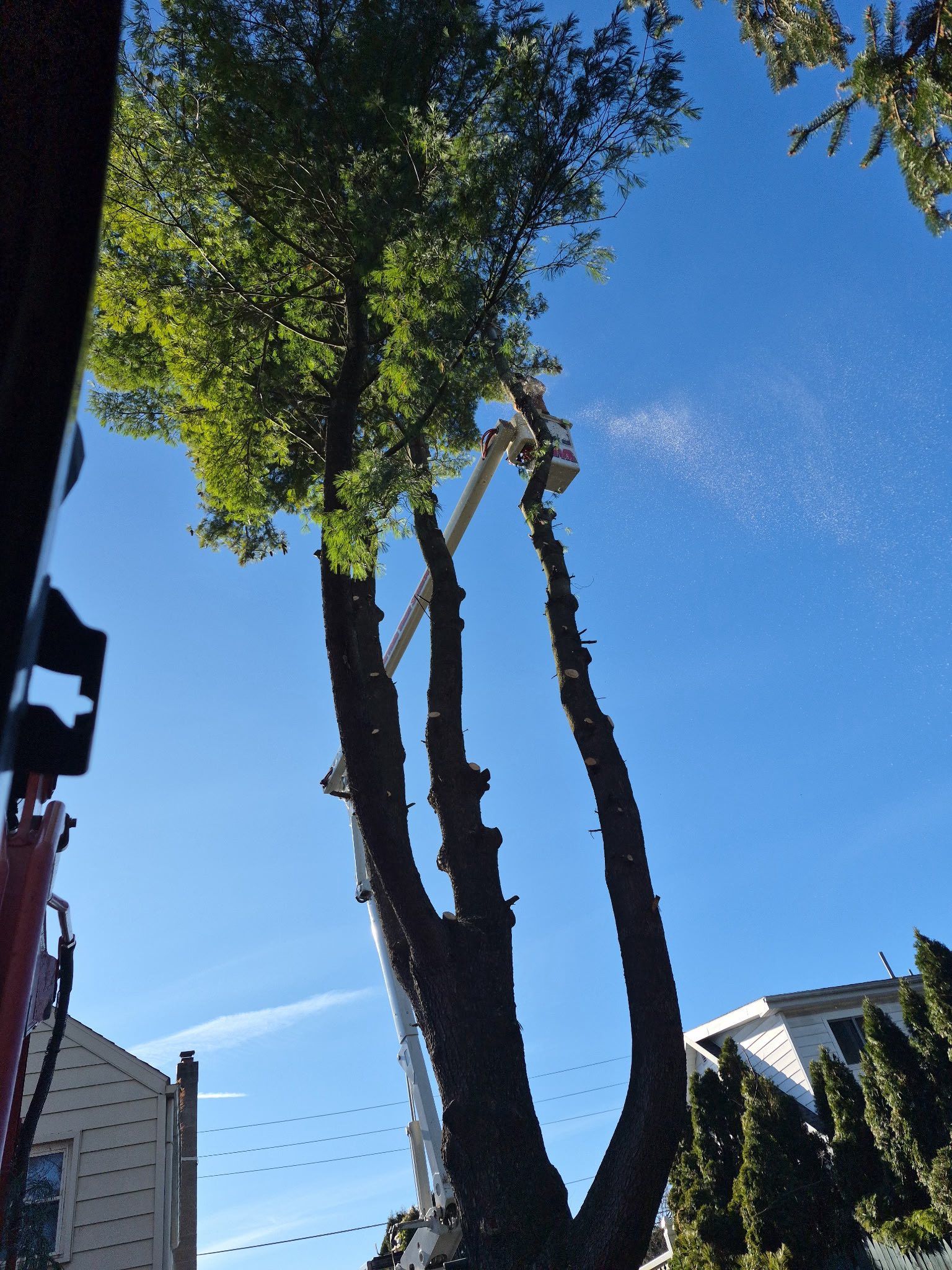
Table of Contents
- Introduction
- Why Tree Distance From a House Matters
- How Close Can Trees Be to a House?
- Risks of a Tree Planted Too Close to House Foundations
- Signs Your Tree May Be Causing Structural Concerns
- What Are Your Options?
- Pruning and Canopy Management
- Root Management and Barriers
- Monitoring and Professional Assessment
- Tree Take-Down and Removal
- Considerations for Homeowners in Stroudsburg, PA
- Conclusion
- Book a Tree Take-Down and Removal Service
- Frequently Asked Questions
Key Takeaways
- A tree planted too close to house structures can increase the risk of foundation, roofing, and drainage issues.
- Safe planting distance depends on tree species, mature size, and soil conditions.
- Warning signs include cracked foundations, shifting soil, clogged gutters, and overhanging limbs.
- Options may include pruning, root management, monitoring, or full removal depending on severity.
- Professional evaluation helps homeowners make informed, safety-focused decisions.
Introduction
If you have a tree planted too close to house structures, the first step is to assess the potential risks to your foundation, roofing, drainage, and overall safety before deciding whether pruning, root management, or removal is appropriate.
For homeowners in areas like Stroudsburg, PA, mature trees are a common and valued feature of residential properties. However, when a tree grows too near a home, concerns about structural damage, falling limbs, and long-term stability naturally arise. These concerns are especially important for safety-focused homeowners who want to protect their family, property, and neighboring structures. At
Mcintyre’s Tree Service, we regularly evaluate trees growing near homes and help property owners understand the practical implications of placement, growth patterns, and soil conditions. In this guide, we explain what can happen when a tree is too close, how to assess the situation, and what responsible next steps may look like.
Why Tree Distance From a House Matters
Trees add shade, privacy, and environmental benefits. However, they are living structures that grow both above and below ground. As they mature, their roots expand outward and their canopy spreads overhead.
When a tree is planted too close to a house, several areas may be affected:
- The foundation and footings
- Roofing and gutters
- Siding and exterior walls
- Underground plumbing and drainage systems
- Driveways and walkways
The risk level depends on tree species, soil type, water availability, and the tree’s health and age.
How Close Can Trees Be to a House?
One of the most common questions we hear is: how close can trees be to a house?
There is no single universal distance. Instead, appropriate spacing depends on:
Mature Tree Size
- Small ornamental trees may be planted 8–10 feet away from a structure.
- Medium-sized trees often require 15–20 feet.
- Large shade trees may need 20–30 feet or more.
Root Growth Patterns
Some species have aggressive root systems that spread widely in search of moisture. Others grow more compact root systems. Roots typically extend at least as far as the canopy—and sometimes beyond.
Soil and Drainage Conditions
In clay-heavy soils, roots may remain closer to the surface, increasing the potential for interaction with foundations. In sandy or well-drained soils, growth patterns may differ.
When homeowners ask, how close should a tree be to a house, we generally recommend planning for the tree’s full mature height and canopy spread—not its current size.
Risks of a Tree Planted Too Close to House Foundations
A tree growing near a structure does not automatically mean damage will occur. However, certain risks become more likely over time.
Foundation Movement
Tree roots do not typically “break” foundations directly. Instead, they may:
- Grow into small cracks already present
- Shift soil as they expand
- Contribute to soil moisture changes
In areas with seasonal moisture variation, roots can draw water from soil near the foundation. This may cause soil shrinkage in some conditions, leading to settlement or cracking.
Roofing and Gutter Damage
Overhanging limbs may:
- Scrape shingles during wind
- Drop leaves that clog gutters
- Increase moss or moisture buildup
Branches positioned directly over a roof also present a risk during storms.
Drainage and Plumbing Concerns
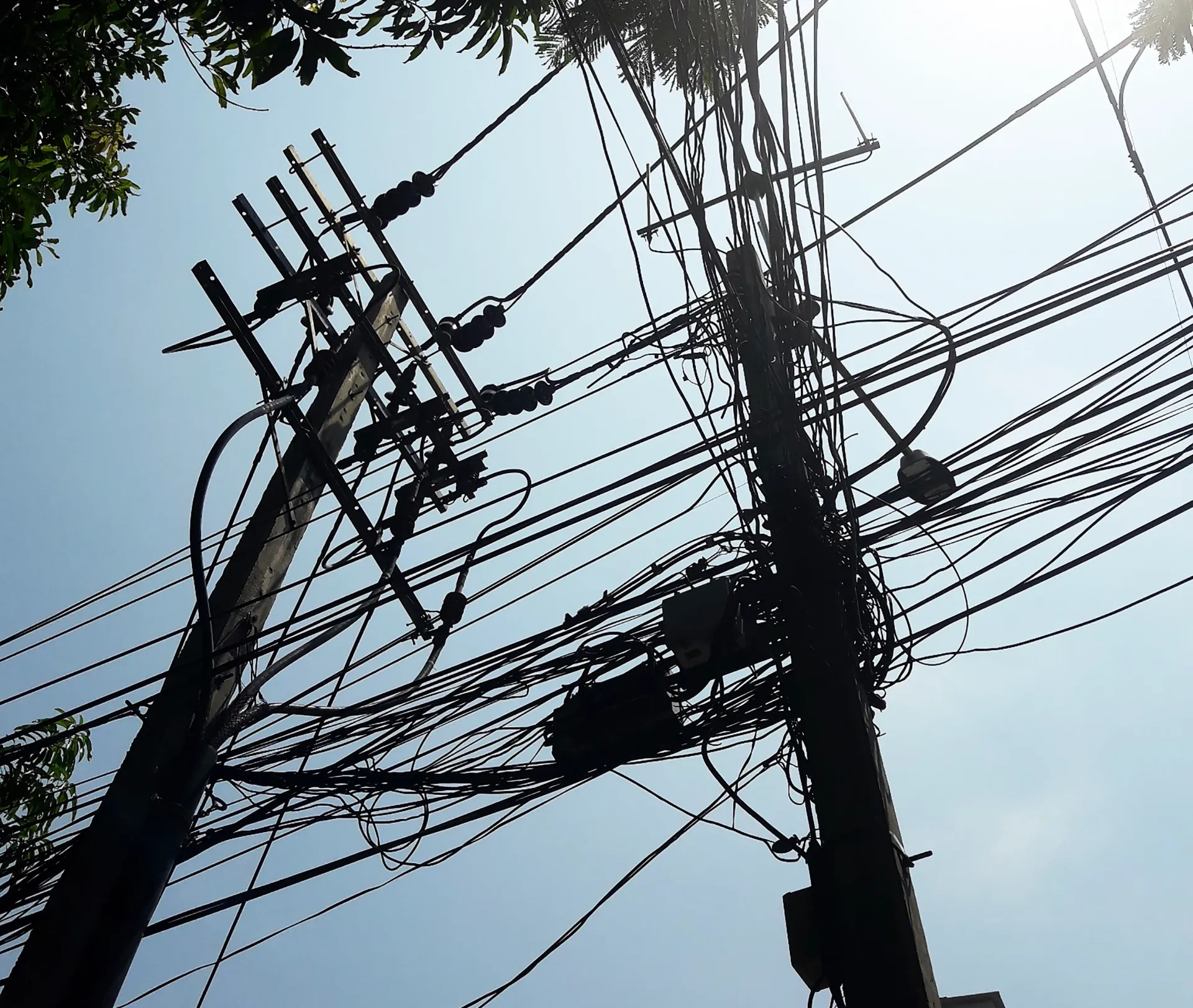
Roots are attracted to moisture. If underground pipes have small leaks, roots may infiltrate them over time. This can contribute to slow drainage or blockages.
Safety Hazards
Large limbs growing over a house create potential fall hazards during severe weather. In neighborhoods with mature trees and seasonal storms, this risk deserves careful evaluation.
Signs Your Tree May Be Causing Structural Concerns
If you suspect a tree planted too close to house structures is creating problems, look for:
- New cracks in foundation walls
- Uneven floors or doors sticking
- Soil pulling away from the foundation
- Roots visible at the surface near the home
- Branches contacting the roof
- Repeated gutter blockages
Not all of these signs confirm tree-related damage, but they indicate the need for professional assessment.
What Are Your Options?
When evaluating a tree near a structure, removal is not always the only solution. The appropriate response depends on the tree’s condition, location, and the extent of risk.
Pruning and Canopy Management
Selective pruning can:
- Reduce canopy weight
- Limit overhanging branches
- Improve structural balance
- Decrease storm-related limb failure
Proper pruning should maintain tree health while addressing safety concerns. Over-pruning can weaken a tree and create new risks.
Root Management and Barriers
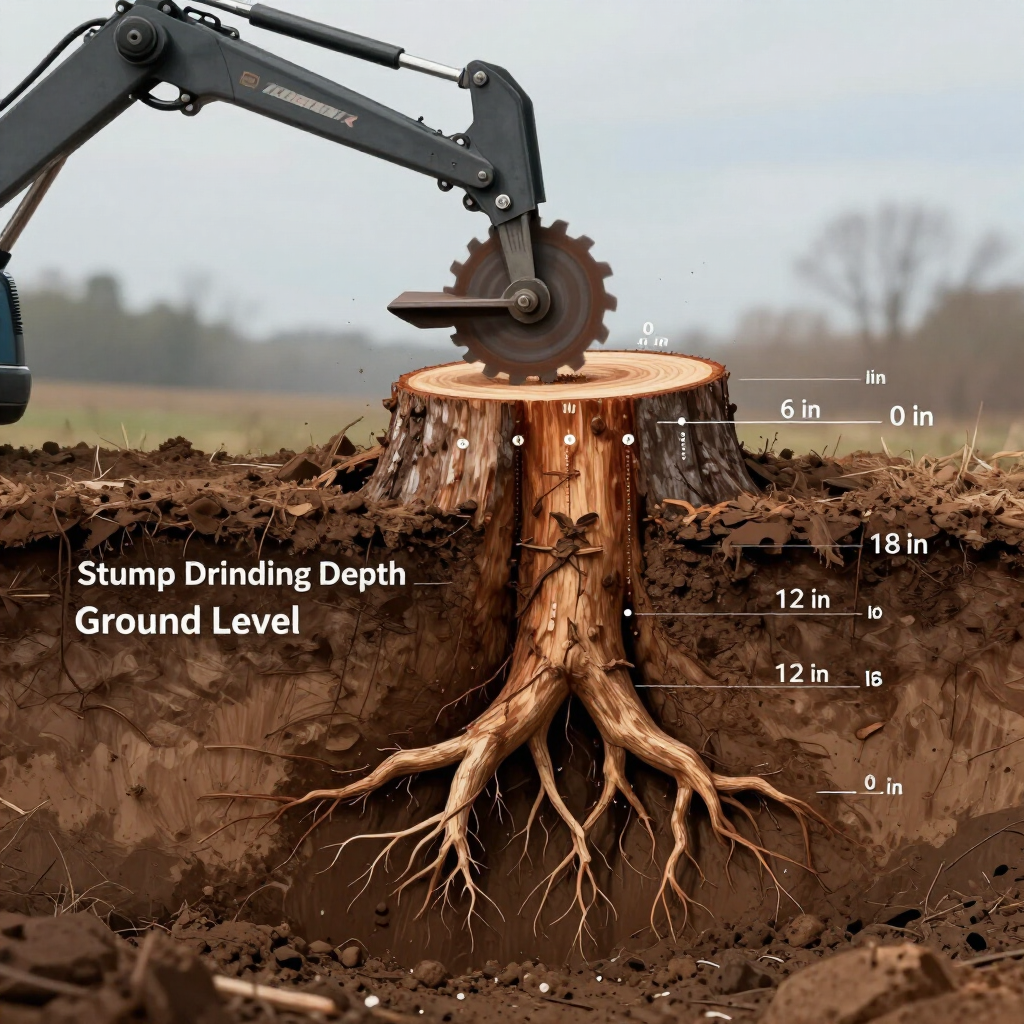
In some cases, root barriers may be installed to redirect growth away from a foundation. However, cutting roots improperly can destabilize the tree.
Root management should only be considered after professional evaluation to avoid unintended consequences.
Monitoring and Professional Assessment
If the tree appears healthy and no structural damage is present, periodic monitoring may be appropriate.
A professional evaluation can assess:
- Tree stability
- Root flare condition
- Soil displacement
- Canopy weight distribution
- Signs of internal decay
This approach allows homeowners to make informed decisions without unnecessary intervention.
Tree Take-Down and Removal
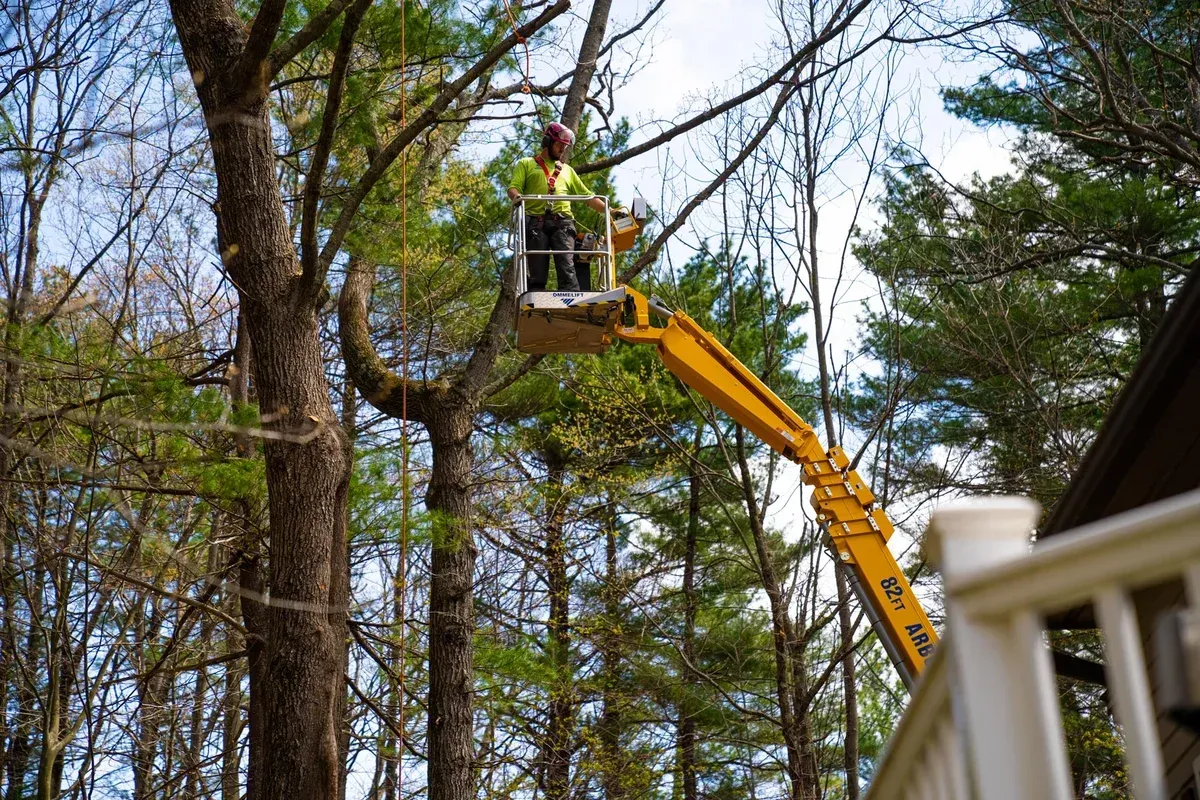
When a tree presents significant structural risk, has extensive root impact, or shows signs of instability, removal may be the safest long-term solution.
A controlled removal process includes:
- Careful sectional dismantling
- Protection of nearby structures
- Debris management
- Post-removal site cleanup
For homeowners considering removal, it is important to understand both the risks of leaving the tree in place and the impact of removal on soil and landscape conditions.
Considerations for Homeowners in Stroudsburg, PA
In Stroudsburg and surrounding areas, mature trees are common on residential lots. Seasonal weather patterns—including heavy snow, wind, and rain—can increase stress on trees growing close to homes.
Older neighborhoods may also have:
- Established root systems extending beneath driveways
- Shallow foundations
- Limited original planting distance from structures
Local soil conditions and climate factors should be considered when determining whether a tree’s proximity poses long-term risk.
A local professional familiar with regional tree species and environmental conditions can provide context-specific guidance..
Conclusion
If you have a tree planted too close to house structures, the appropriate response begins with evaluation rather than immediate action. Tree size, species, root behavior, soil conditions, and visible structural signs all influence the level of concern.
In some cases, pruning or monitoring may be sufficient. In others, root management or full removal may be the safer option. The key is understanding the risks, limitations, and long-term implications before deciding.
Careful, informed decision-making helps protect both your property and the surrounding landscape.
Book a Tree Take-Down and Removal Service
If you would like professional guidance regarding a tree near your home, we invite you to learn more about our tree take-down and removal services.
At Mcintyre’s Tree Service, we provide structured evaluations and safe removal processes tailored to residential properties in Stroudsburg, PA. For more information, you may contact us at (610) 762-0660 or mcintyrestreeservice@gmail.com to discuss your specific concerns and determine the most appropriate next steps.
Our goal is to support clear, safety-focused decisions based on your property’s specific conditions.
Frequently Asked Questions
How close should a tree be to a house?
The appropriate distance depends on the tree’s mature size. Small trees may be planted 8–10 feet away, while large shade trees often require 20–30 feet or more.
Can tree roots damage a house foundation?
Roots typically do not break solid foundations directly. However, they can expand into existing cracks or contribute to soil movement that affects structural stability.
Is it always necessary to remove a tree planted too close to house structures?
Not always. In some cases, pruning or monitoring may address concerns. Removal is generally considered when there is structural risk, instability, or significant root impact.
What are signs a nearby tree may be unsafe?
Warning signs include visible leaning, cracked soil near the base, dead or heavy overhanging limbs, and new foundation cracks inside or outside the home.
Should I cut roots to protect my foundation?
Cutting roots without proper assessment can destabilize a tree. Root management should be evaluated carefully to balance structural protection and tree stability.
Related Posts