How Brush Overgrowth Can Affect Wildlife Activity Near Homes

Table of Contents
- Introduction
- What Is Brush Overgrowth?
- How Overgrown Brush Attracts Wildlife
- Shelter and Protection
- Nesting and Breeding Areas
- Food Sources Near Residential Properties
- Common Wildlife Drawn to Overgrown Brush in Residential Areas
- Safety and Health Risks Linked to Brush Overgrowth
- Property Damage Concerns Related to Increased Wildlife Activity
- Environmental Balance and Responsible Vegetation Management
- Considerations for Brush Removal Near Homes
- Conclusion
- Book a Brush Removal Service
- Frequently Asked Questions
Key Takeaways
- Brush overgrowth can unintentionally attract wildlife by offering shelter, food, and nesting areas close to homes.
- Increased wildlife activity may raise safety, health, and property maintenance concerns for homeowners.
- Overgrown brush can disrupt the balance between natural habitats and residential environments.
- Thoughtful brush removal helps manage vegetation responsibly while reducing potential risks.
- Informed decisions are essential when managing overgrown brush near homes.
Introduction
Brush overgrowth can affect wildlife activity near homes by creating inviting spaces for animals to shelter, nest, and find food close to residential areas. This matters to homeowners because overgrown brush often increases wildlife presence, which can lead to safety concerns, property damage, and ongoing maintenance challenges. In communities like Stroudsburg, PA—where residential properties often sit near wooded areas—understanding how unmanaged vegetation functions helps homeowners make informed decisions about brush removal and overall property care.
Many residents turn to trusted local providers like
Mcintyre’s Tree Service to better understand how vegetation management fits into responsible home maintenance.
What Is Brush Overgrowth?
Brush overgrowth refers to dense, unmanaged vegetation such as shrubs, vines, saplings, and low-growing trees that spread beyond their intended areas. Over time, this growth can thicken and create layers of cover that are difficult to see through or access.
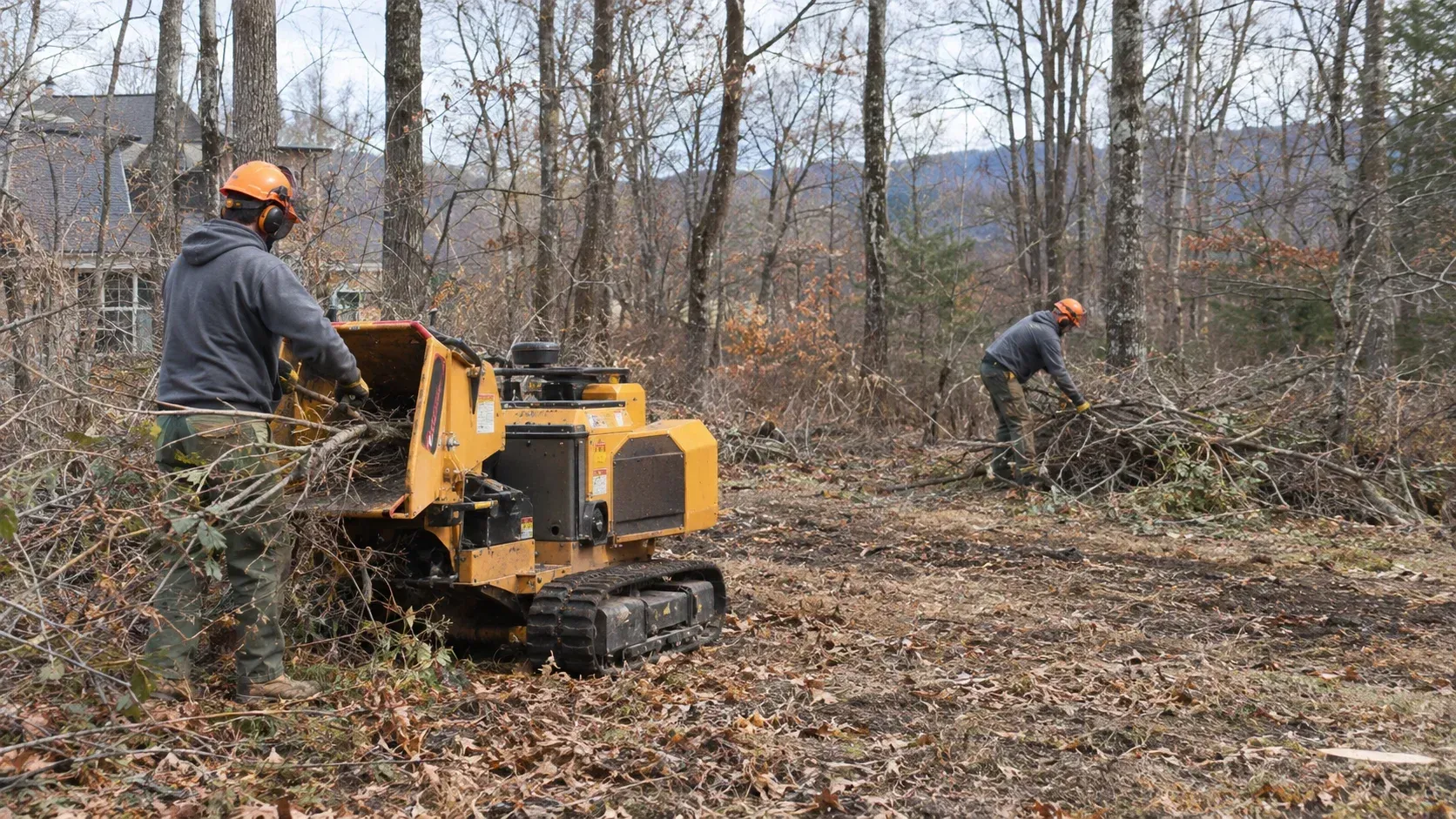
Unlike healthy landscaping or maintained natural areas, overgrown brush is typically unmanaged. It may develop along property lines, behind sheds, near fences, or at the edges of wooded lots. When left unchecked, this type of growth can influence how wildlife moves between natural habitats and residential spaces, often prompting homeowners to consider professional
brush removal as part of long-term property care.
How Overgrown Brush Attracts Wildlife
Shelter and Protection
Dense brush offers animals protection from weather and predators. The thick layers of vegetation create hidden pathways and sheltered spaces where wildlife can rest during the day or seek refuge at night.
From a wildlife perspective, brush overgrowth near homes can feel like a safe extension of nearby woods. For homeowners, this often means animals are living closer to structures, fences, and walkways than expected.
Nesting and Breeding Areas
Many animals look for quiet, concealed areas to nest or raise young. Overgrown brush provides ideal conditions for this, especially when vegetation remains undisturbed for extended periods.
Birds, small mammals, and even larger animals may establish nesting areas in unmanaged brush. Once wildlife becomes established, activity often increases seasonally—particularly in spring and early summer—making vegetation management more complex.
Food Sources Near Residential Properties
Brush overgrowth often supports insects, seeds, berries, and other natural food sources. These attract smaller animals, which can then draw larger predators into residential areas.
When food becomes readily available near homes, wildlife may shift its behavior and spend more time around residential properties rather than remaining deeper in natural habitats.
Common Wildlife Drawn to Overgrown Brush in Residential Areas
In areas like Stroudsburg, PA, brush overgrowth can attract a range of wildlife species. Small mammals such as mice, chipmunks, and rabbits are commonly drawn to dense vegetation. These animals are often followed by predators like foxes or raccoons.
Birds may nest in thick brush, while snakes may use it for cover and temperature regulation. In some cases, deer browse on young shoots and leaves, particularly when overgrown brush borders open lawns or garden spaces. Understanding which species are present helps homeowners evaluate potential risks without assuming all wildlife activity is harmful.
Safety and Health Risks Linked to Brush Overgrowth
Increased wildlife activity near homes can introduce safety and health considerations. Overgrown brush may harbor ticks, mosquitoes, and other pests that thrive in shaded, damp environments.
Animals living close to homes can also increase the likelihood of unexpected encounters. While many species avoid humans, surprise interactions can be stressful for both people and animals. Additionally, unmanaged brush can reduce visibility around walkways and property edges, increasing the risk of hidden hazards.
Property Damage Concerns Related to Increased Wildlife Activity
When wildlife settles near residential structures, property damage may become an ongoing concern. Animals can burrow near foundations, damage gardens, or chew on wooden features.
Brush overgrowth itself can also contribute to property issues. Dense vegetation may trap moisture against fences or outbuildings, accelerating wear over time. It can obstruct drainage patterns and contribute to soil erosion, making brush removal an important part of long-term property maintenance.
Environmental Balance and Responsible Vegetation Management
Managing brush overgrowth requires balance. Natural vegetation plays an important role in local ecosystems, and not all brush needs to be removed. However, unmanaged growth near homes can blur the boundary between natural habitats and residential spaces.
Responsible vegetation management focuses on maintaining clear, intentional transitions. This helps wildlife remain in appropriate environments while making residential properties safer and easier to maintain.
Considerations for Brush Removal Near Homes
Brush removal is not just about clearing vegetation. It involves understanding how removal may affect soil stability, drainage, and surrounding plant life.
In Stroudsburg, PA, factors such as seasonal wildlife activity, local terrain, and property layout all matter. Removing overgrown brush too aggressively or at the wrong time of year may disturb nesting animals or contribute to erosion. Evaluating these factors helps homeowners make informed decisions, often with guidance from professionals experienced in local conditions.
Conclusion
Brush overgrowth can significantly influence wildlife activity near homes by providing shelter, food, and nesting opportunities close to residential areas. While wildlife is a natural part of the environment, unmanaged vegetation can increase safety concerns, health risks, and property maintenance challenges.
By understanding how overgrown brush affects animal behavior, homeowners can approach vegetation management thoughtfully. Informed decisions support a balanced relationship between natural spaces and residential living without relying on assumptions or quick fixes.
Book a Brush Removal Service
If you need guidance on managing overgrown brush around your property, working with a knowledgeable provider can help clarify practical options. Mcintyre’s Tree Service assists homeowners in Stroudsburg, PA by explaining brush removal considerations based on property layout and environmental factors.
To learn more, send us an email at
mcintyrestreeservice@gmail.com or call us at
(610) 762-0660. You may also reach out directly through our
contact page.
Frequently Asked Questions
Does brush overgrowth always attract wildlife?
Not always, but dense, unmanaged brush increases the likelihood by offering shelter, food, and nesting areas close to homes.
Is all wildlife activity near homes a problem?
No. Many animals pass through without causing issues. Concerns usually arise when wildlife begins nesting or feeding close to structures.
Can brush removal eliminate wildlife completely?
Brush removal may reduce wildlife activity near homes, but it does not eliminate wildlife from the surrounding environment.
Are there environmental risks to removing overgrown brush?
Yes. Improper removal can lead to soil erosion or disturb habitats. Responsible planning helps minimize these risks.
How often should brush be managed on residential properties?
This varies based on growth rate, location, and property use. Periodic evaluation helps determine appropriate timing.
Does brush overgrowth increase pest problems?
Overgrown brush can create conditions that support pests such as ticks and mosquitoes, particularly in shaded, damp areas.
Is professional brush removal always necessary?
Not in every case, but professional guidance can help ensure brush is managed safely and responsibly, especially near homes or structures.
Related Posts