Why Clearing Overgrown Land Improves Long-Term Property Use in the Poconos
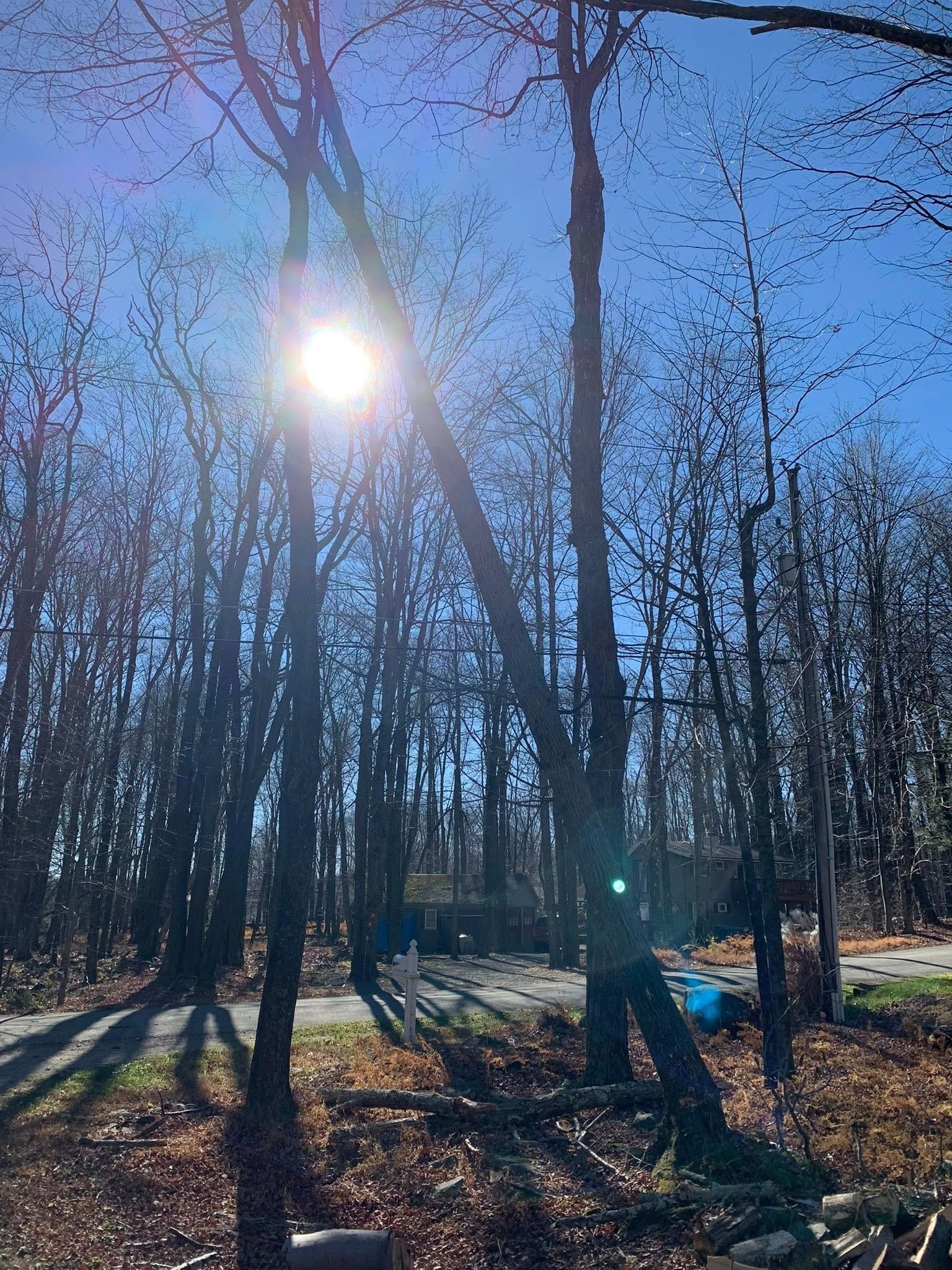
Table of Contents
- Introduction
- What Makes Overgrown Land Difficult to Use?
- How Clearing Overgrown Land Gives You More Usable Space
- The Difference Between Brush Clearing and Full Land Clearing
- What You May Discover Once Overgrown Land Is Cleared
- How Clearing Makes Future Property Projects Easier
- What Should Stay and What Should Go?
- When Land Clearing Becomes a Job for Professionals
- How to Maintain the Property After Clearing
- Conclusion
- Ready to Reclaim Your Overgrown Property?
- Frequently Asked Questions
Key Takeaways
- Overgrown vegetation can make otherwise usable property difficult to access, maintain, inspect, or develop.
- Clearing can open paths, reclaim neglected areas, improve visibility, and give homeowners more flexibility when planning future projects.
- Not every tree or plant needs to be removed. Selective clearing can preserve useful vegetation while addressing unwanted growth.
- Clearing an overgrown property can reveal stumps, uneven terrain, drainage patterns, fallen trees, and other conditions that were previously hidden.
- The right scope of work depends on whether you need a small area opened up or an entire property prepared for a new use.
- Professional land clearing is especially useful when a project involves large trees, heavy brush, difficult terrain, stumps, or equipment access.
Introduction
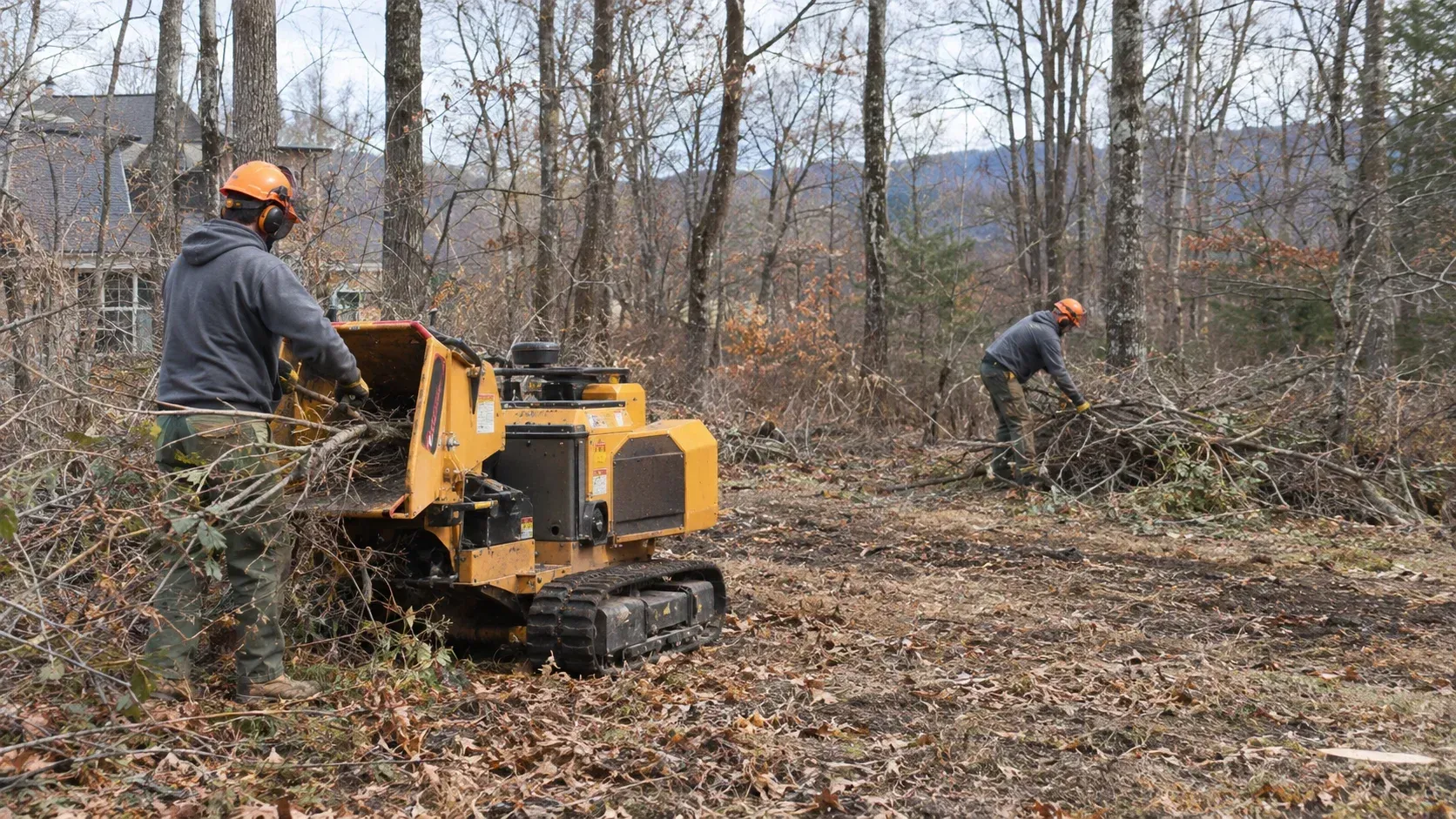
Clearing overgrown land can make a property significantly easier to access, maintain, and use by removing dense brush, unwanted vegetation, fallen trees, and other obstacles that have taken over usable space. What starts as a small patch of unmanaged growth can eventually make an entire section of a property difficult to reach.
That matters in the Poconos, where many properties include wooded sections, sloped terrain, mature trees, and areas that are not regularly maintained. An overgrown portion of the property might be perfectly usable in theory, but dense vegetation can make it difficult to mow, walk through, inspect, landscape, fence, or prepare for another project.
Land clearing can provide a practical way to reclaim that space. The goal isn't necessarily to remove everything. In many situations, the better approach is to determine what is preventing the property from being used as intended and clear only what needs to go.
What Makes Overgrown Land Difficult to Use?
Overgrown property doesn't become unusable overnight. The problem usually develops gradually.
Brush gets taller. Small trees establish themselves. Fallen branches accumulate. Vines spread through existing vegetation. Areas that were once easy to walk through become increasingly difficult to reach.
Eventually, the property owner may stop using that portion of the land altogether.
Dense brush restricts access
Thick undergrowth can make it difficult to walk or move equipment through a property.
That can affect ordinary tasks such as:
- Inspecting fences
- Reaching outbuildings
- Checking drainage areas
- Maintaining trees
- Mowing accessible sections
- Walking the property
- Planning future improvements
Clearing selected areas can establish usable access routes without requiring the entire property to be stripped of vegetation.
Overgrowth hides what is underneath
One of the practical problems with unmanaged land is that you cannot easily maintain something you cannot see.
Dense vegetation can conceal:
- Fallen trees
- Stumps
- Uneven ground
- Erosion
- Old fencing
- Debris
- Property boundaries
- Areas where water collects
Clearing the vegetation doesn't automatically fix these issues, but it makes them visible so they can be evaluated.
Neglected areas become harder to reclaim
The longer an area remains unmanaged, the more established the vegetation can become.
A section that once required basic brush removal may eventually contain larger trees, substantial stumps, dense undergrowth, and limited equipment access.
That doesn't mean every overgrown property needs immediate clearing. It does mean that postponing a planned property improvement can make the eventual scope of work more complicated.
How Clearing Overgrown Land Gives You More Usable Space
The biggest benefit of clearing is straightforward: you can use more of your property.
A previously inaccessible section might become suitable for a variety of purposes.
Create usable lawn space
If brush has taken over the edge of a yard, clearing it can allow the area to be reclaimed for lawn or other landscaping.
The finished result will depend on the condition of the soil and what needs to be done after clearing, but removing the physical obstruction is the first step.
Improve access through wooded areas
You may not need an open lawn everywhere.
Sometimes the goal is simply to create a manageable path through an overgrown portion of the property.
This can make it easier to inspect the land, reach certain areas, or perform future maintenance.
Make room for landscaping
Dense vegetation can make it difficult to determine where a new planting bed, garden, or other landscape feature should go.
Clearing the area gives you a better view of the available space and the existing terrain before you commit to a design.
Prepare for fencing
Installing or repairing fencing is much easier when vegetation isn't preventing access to the fence line.
Clearing a narrow corridor can provide the working space needed without unnecessarily disturbing the rest of the property.
Reclaim neglected sections
Sometimes the best use for a cleared area is simply to make it usable again.
A property doesn't need to have a major construction project planned for clearing to make sense. Removing overgrowth can make outdoor space easier to access, maintain, and enjoy.
The Difference Between Brush Clearing and Full Land Clearing
Not every overgrown property requires the same level of work.
Understanding the difference can help you avoid clearing more land than necessary.
Brush clearing
Brush clearing generally focuses on removing dense undergrowth, smaller vegetation, vines, and other unwanted growth.
This can be appropriate when the existing trees are healthy and useful but the ground-level vegetation has become difficult to manage.
Selective clearing
Selective clearing removes specific trees, brush, or other obstacles while leaving desirable vegetation in place.
This can be a good approach when the goal is to open up an area rather than completely change its character.
More extensive land clearing
A larger project may involve removing trees, brush, stumps, and other vegetation from a defined area to prepare it for another use.
The appropriate approach depends on the property's condition and what you intend to do with the cleared space.
That's why a land-clearing project should begin with the intended use of the property, not simply the question of how much vegetation can be removed.
What You May Discover Once Overgrown Land Is Cleared
Clearing an area can reveal conditions that were difficult or impossible to see beforehand.
This is one reason property owners should not assume that clearing itself completes the entire project.
You may discover:
Uneven terrain
Dense vegetation can hide dips, slopes, exposed roots, or other changes in elevation.
Once the area is accessible, you can determine whether additional grading or site preparation is necessary.
Old stumps and fallen trees
Previous tree removals may have left stumps behind, while fallen trees may have become buried beneath newer vegetation.
These obstacles can interfere with mowing, landscaping, or construction preparation.
If a stump is occupying space you want to reclaim, stump grinding can be considered as a separate step in preparing the area.
Drainage patterns
Clearing can make it easier to see where water naturally moves across the property.
However, clearing vegetation does not automatically solve drainage problems. If water is pooling or eroding soil, the underlying cause should be evaluated before assuming additional clearing will fix it.
Property boundaries
Dense vegetation can make fences, markers, and other boundary indicators difficult to locate.
Opening the area can make property maintenance and planning easier, although property owners should rely on an appropriate survey when an exact legal boundary needs to be established.
How Clearing Makes Future Property Projects Easier
One of the most valuable benefits of clearing overgrown land is flexibility.
You may not know exactly what you want to do with the property today. Clearing can nevertheless make future decisions easier because you can actually see and access the space.
For example, a cleared area may eventually be used for:
- Landscaping
- Lawn expansion
- A garden
- Fencing
- A driveway or access route
- Outdoor recreation
- Construction preparation
- Property maintenance
The important thing is to plan the clearing around the intended use.
If you're preparing for construction, the clearing requirements may be very different from those for creating a walking path.
Likewise, if your goal is to preserve a wooded character while improving access, complete clearing may be unnecessary.
What Should Stay and What Should Go?
Good land clearing isn't necessarily about removing as much vegetation as possible.
Healthy mature trees can provide shade, habitat, visual screening, and other benefits. Existing vegetation may also help stabilize soil, particularly on sloped property.
Before clearing an area, consider:
Keep vegetation that contributes to the property.
Healthy trees and useful plants may be worth preserving.
Remove vegetation that interferes with the intended use.
Dense brush, unwanted growth, hazardous trees, and other obstacles may need to be addressed.
Consider the terrain.
Removing vegetation from a slope can expose soil to erosion, so the property's condition should be considered before extensive clearing.
Think about what comes next.
The clearing plan should make sense for the project that follows it.
This selective approach can produce a more functional property without unnecessarily eliminating useful natural features.
When Land Clearing Becomes a Job for Professionals
Small amounts of brush may be manageable with ordinary yard tools.
A heavily wooded or severely overgrown property is different.
Professional help becomes particularly valuable when the project involves:
- Large trees
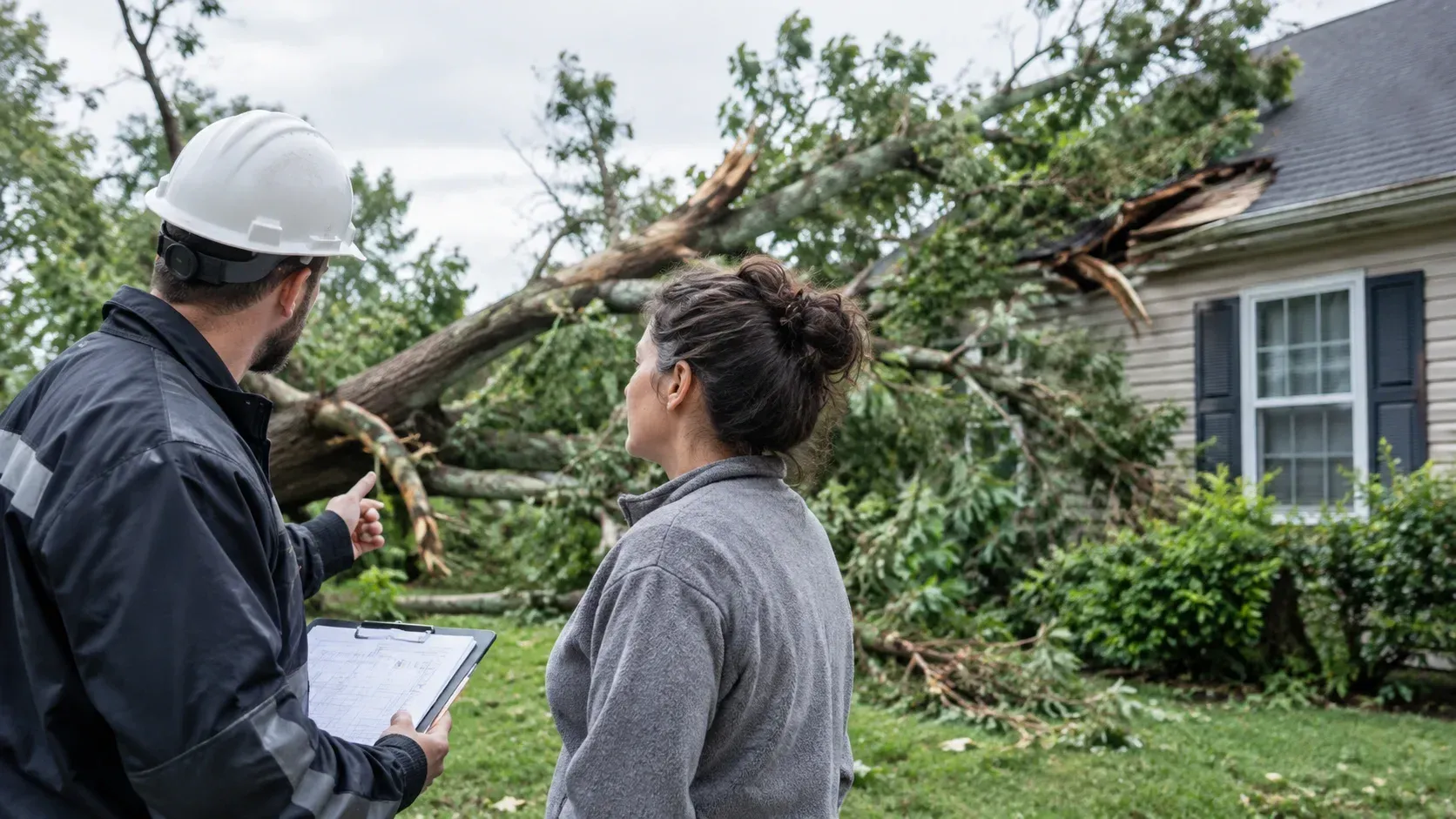
- Leaning or damaged trees
- Large stumps
- Dense wooded areas
- Steep terrain
- Heavy logs
- Limited equipment access
- Large quantities of debris
- Areas close to structures or utilities
Large trees and heavy materials can create serious safety hazards when handled without the right equipment and experience.
If you're unsure whether a project is suitable for DIY work, it is better to assess the hazards before beginning rather than after something goes wrong. You can also review when to call a tree service in the Poconos instead of doing it yourself for additional guidance.
How to Maintain the Property After Clearing
Clearing an overgrown property is much more useful when the area remains manageable afterward.
Once the work is complete, establish a realistic maintenance routine.
That might include:
- Keeping access paths open
- Removing new invasive growth early
- Monitoring tree health
- Addressing fallen branches
- Maintaining the areas around fences and structures
- Watching for erosion on exposed slopes
- Controlling vegetation before it becomes dense again
The objective isn't to create a completely vegetation-free property.
It is to prevent the land from returning to the same condition that made it difficult to use in the first place.
For larger properties, periodic maintenance can be easier than waiting several years and allowing another major buildup of vegetation.
Conclusion
Clearing overgrown land can transform a neglected portion of a property into space that is easier to access, inspect, maintain, and eventually develop or landscape.
The most important decision isn't whether every tree and plant should be removed. It's determining what the property needs to do for you and then clearing the vegetation that prevents that use.
For Poconos property owners, a thoughtful approach can help preserve desirable trees and natural features while opening up areas that have become difficult to manage.
Whether you're reclaiming part of your yard, preparing for landscaping, improving access, or getting a property ready for a future project, the right scope of land clearing can give you a much more usable starting point.
Ready to Reclaim Your Overgrown Property?
If dense brush, unwanted trees, or neglected growth is preventing you from using part of your property,
schedule a land-clearing consultation
to discuss what needs to be removed and what you want to do with the space afterward.
Frequently Asked Questions
Does clearing overgrown land mean removing every tree?
No. Land clearing can be selective. Healthy or desirable trees can potentially remain while unwanted brush, trees, and other obstacles are removed.
Can clearing overgrown land make my property easier to maintain?
Yes. Removing dense vegetation can improve access, visibility, and the ability to mow, inspect, maintain, or otherwise use previously neglected areas.
Should stumps be removed when clearing overgrown land?
It depends on the property's intended use. Stumps can interfere with landscaping, mowing, and future projects, so they may need to be addressed separately.
Will land clearing fix drainage problems?
Not necessarily. Clearing can expose or remove obstacles that interfere with water movement, but standing water and erosion can have other causes, including grading and soil conditions.
How do I know how much of my property should be cleared?
Start with how you intend to use the land. The right scope may be a small area of brush removal, selective clearing, or more extensive land clearing depending on your goals and the property's condition.
Related Posts